A plant puts on a burst of green growth after you fertilize it, and it feels like success. But bigger leaves and taller stems do not tell the whole story. What is happening underground? Are you building soil that can support the next crop, or just feeding this one?
That distinction matters, especially in raised beds and containers. I want healthy roots, productive plants, and soil that improves each season. I do not want a tall, stringy tomato plant that looks impressive but gives me very few tomatoes.
My conversation with Zach at Arizona Worm Farm kept coming back to one practical idea: make compost the foundation, support the life in your soil, and use supplemental fertilizer when your growing situation calls for it. Organic gardening does not mean never fertilizing. It means thinking beyond the next flush of growth.
Table of Contents
- Key Takeaways
- Feed the Soil, Not Just the Plant
- Why More Nitrogen Is Not Always Better
- What Compost Does and How It Is Made
- Build a Raised Bed That Holds Water and Still Breathes
- The Simplest Raised Bed Feeding Routine
- Give Your Soil Time to Improve
- How to Choose Good Compost
- Are Store-Bought Worm Castings Worth It?
- When Organic Fertilizer Helps
- The One Habit to Start With
Key Takeaways
- Quick green growth is not the same as lasting soil improvement or a productive harvest.
- Refresh established raised beds with compost before planting, rather than replacing the entire growing mix.
- Choose mature, earthy-smelling compost and fresh worm castings that retain some moisture.
- New beds, heavy-feeding crops, and small containers are more likely to need supplemental organic fertilizer.
Feed the Soil, Not Just the Plant
Think about a lush natural landscape. Leaves fall, branches break down, and animal waste returns to the ground. Those materials become resources for the next generation of plants.
In our yards, we often interrupt that cycle. We rake up the leaves, blow away the debris, and haul everything off. Then we buy products to replace what we removed.
This is one reason compost matters so much in a managed garden. It brings organic matter back into the system. Where it makes sense, leaving fallen leaves in planting areas also helps keep that cycle going.
A soluble fertilizer supplies nutrients that roots can take up relatively quickly. Compost does something different: it supplies organic matter that soil organisms continue breaking down, contributing to the system that feeds plants over time.
The concern is not that a quick response to fertilizer is imaginary. It is real. The concern is mistaking that response for lasting soil improvement.
Roots offer microbes a little candy
Plants are not passive passengers in the soil. Their roots release compounds called exudates, including sugars, that support microorganisms around the roots.
Zach used candy to explain this relationship. Kit Kats are my favorite, so imagine roots putting out different kinds of treats that encourage different microbial communities. Those organisms help break down organic materials and make nutrients available near the roots.
It is a simplified picture, but a useful one. The space around a root is an active community, not just dirt holding a plant upright.
That also explains why plant diversity matters. Growing several kinds of plants together, as we do in square-foot gardening, creates a variety of root inputs. Different plants contribute different exudates, helping support a more varied underground community.
Why More Nitrogen Is Not Always Better
The three familiar letters on a fertilizer label, NPK, refer to nitrogen, phosphorus, and potassium. They are important, but they are not the whole nutritional picture.
Plants need 17 essential elements, including nutrients needed only in small amounts. Boron, magnesium, and molybdenum may not get the attention nitrogen does, but shortages can still limit growth.
Zach explained this with a barrel. Imagine each wooden stave represents something a plant needs. The barrel can hold water only as high as its shortest stave. Making the other staves taller does not fix the short one.
This is Liebig’s law of the minimum: growth is constrained by the resource in shortest supply relative to the plant’s needs. Adding more nitrogen does not solve every problem.
A big green plant is not the only goal
Readily available nitrogen can produce a dramatic response. That makes it tempting to keep applying more. But excessive nitrogen can push abundant leafy growth without giving you the balanced, productive plant you wanted.
Zach’s concern is that this tender growth can also be more vulnerable to pests and disease. For a vegetable gardener, the important question is not simply, “How big did it get?” It is, “Is it healthy, sturdy, and producing?”
There is also the issue of waste. Nutrients that plants do not take up may move beyond the root zone, particularly with water. Rather than assuming every application benefits the crop, consider whether the plant needs it and whether the growing system can retain and use it.
What about the blue fertilizer?
We examined a water-soluble synthetic fertilizer containing 24% nitrogen. Its blue crystals dissolved readily, and the package recommended weekly feeding.
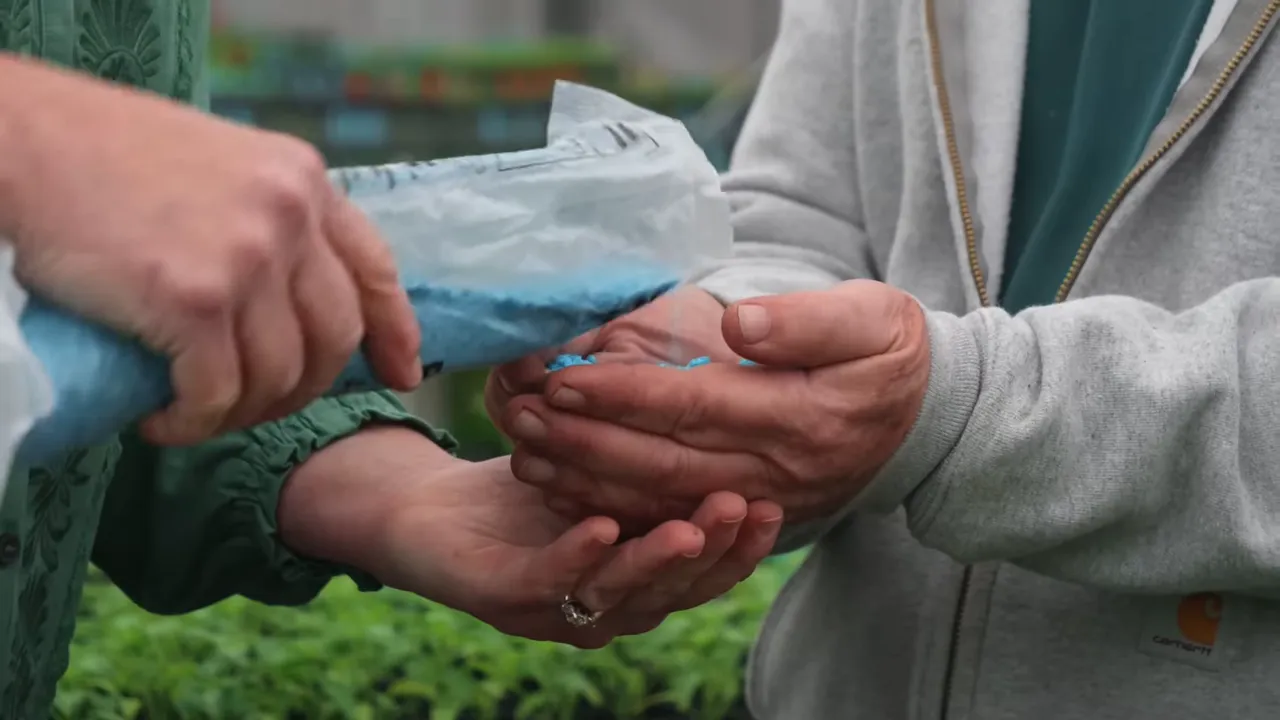
The color caught my attention, but the important issue is the nutrient concentration and how the product is used. The percentage on the package describes the product, not the strength of the final diluted solution.
A product designed to feed quickly can deliver quick growth. That does not make it a substitute for replenishing organic matter or developing a healthy soil community. My priority is to build the foundation rather than rely on repeated bursts of growth.
What Compost Does and How It Is Made
Compost is decomposed organic matter made from a mixture of carbon-rich and nitrogen-rich materials. At Arizona Worm Farm, those inputs include ground landscape waste, food scraps, and horse manure from selected stables.
Microorganisms do the work. The farm manages moisture, temperature, and turning so those organisms can break the materials down.
Zach described a process lasting about six to eight months:
- Build and moisten the piles. Combine the organic inputs and provide the water needed for decomposition.
- Monitor the heat. Microbial activity raises the temperature. The farm aims to keep material above 140°F for three days during its heating cycles to reduce weed seeds and pathogens.
- Turn the material. Turning brings different portions of the pile into active decomposition and exposes fresh material to microbes.
- Repeat the heating cycles. Depending on the starting mix, the farm takes the compost through three or four cycles.
- Allow it to cure. As the readily decomposable material is used up, temperatures decline and the compost continues maturing.
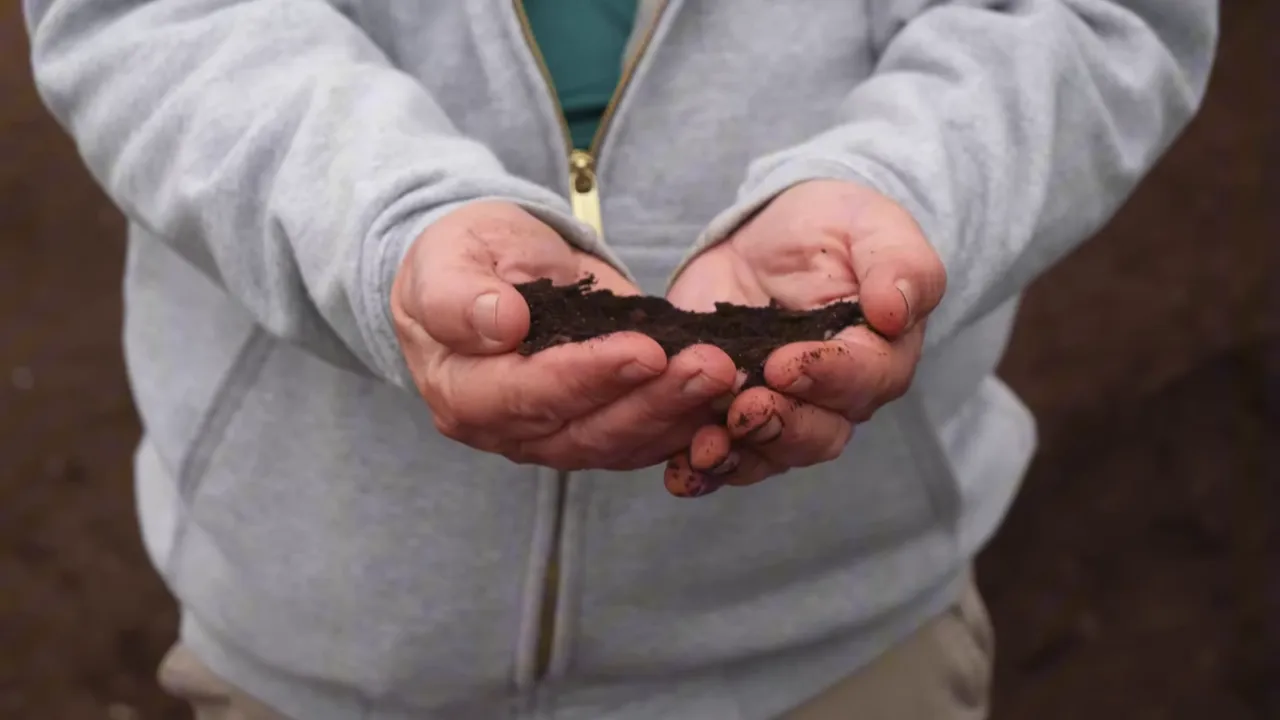
Roots do not absorb a piece of leaf or a chunk of compost. Nutrients must be released into forms plants can use. Microbes are an important part of that conversion.
Water matters here, too. As plants lose water through their leaves through transpiration, water moves up through the plant, helping transport dissolved nutrients taken up by roots.
Composting keeps useful resources in circulation
The scale at the worm farm is impressive: Zach described producing about 10,000 cubic yards of compost and 8,000 cubic yards of Growing in the Garden raised bed mix each year.
Landscape debris, food waste, and manure arrive in one form and leave as resources for gardens across the Phoenix valley. Instead of sending those materials to a landfill, the farm returns them to growing plants.
You can create a smaller version of that cycle at home. The EPA’s home composting guide is a useful reference for getting started.
Build a Raised Bed That Holds Water and Still Breathes
The Growing in the Garden raised bed mix is in all of my garden beds. Zach and his team have spent years refining it, and each ingredient has a different job:
- About half compost: Organic matter that continues breaking down and contributing nutrients.
- Perlite: The visible white particles that help provide aeration.
- Coco coir: Helps the mix absorb and retain water.
- About 5% worm castings: Contributes microorganisms along with organic matter and modest nutrients.
- Basalt dust: Included as a source of a broad range of minerals.
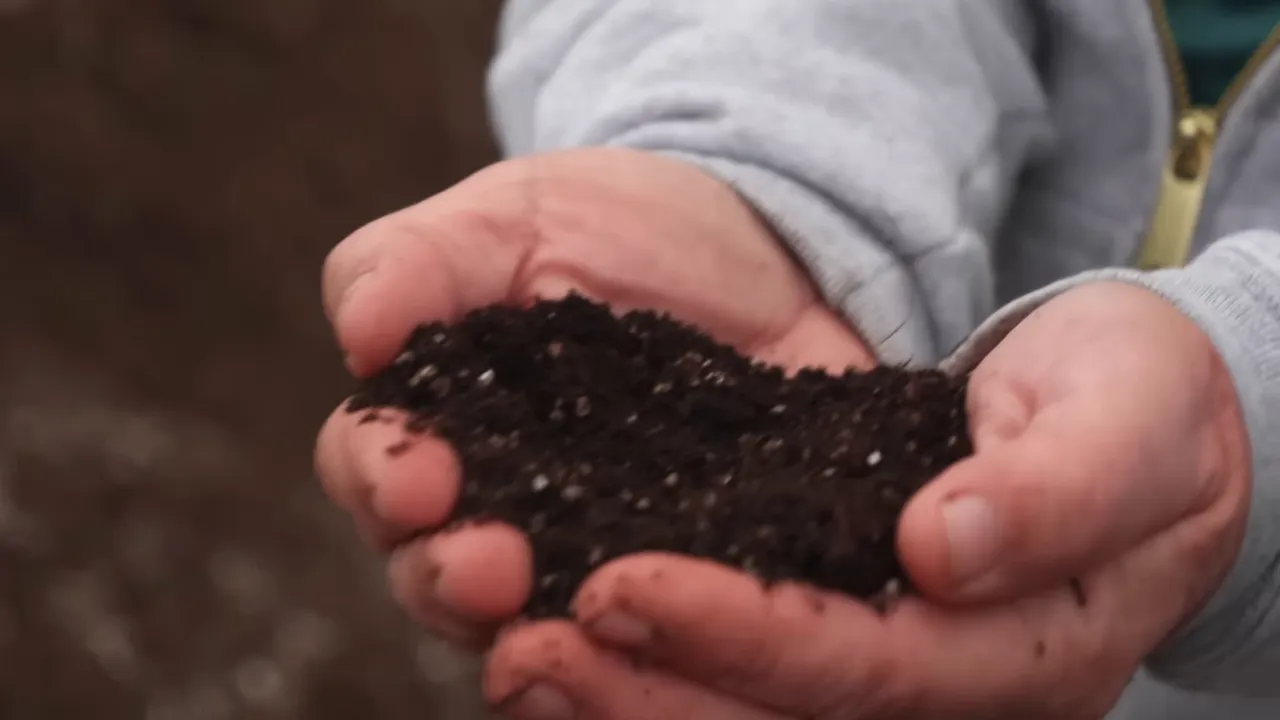
Water retention and aeration sound like opposites, but you need both. Roots need access to moisture without sitting in persistently waterlogged conditions.
Once a bed is established, you do not need to replace the entire mix each season. The perlite is still there, and the coir does not disappear after one crop. The organic matter, however, continues decomposing, and the bed settles.
Refresh an established bed with compost rather than automatically buying a whole new batch of raised bed mix.
The Simplest Raised Bed Feeding Routine
For an established raised bed, Zach’s recommendation is straightforward: replenish the surface before each new planting season.
In our low-desert growing schedule, that may mean refreshing beds before fall, winter, and spring plantings. Your timing should follow your own crop changes rather than a universal calendar.
- Cut finished plants at soil level. Leave their roots to decompose underground rather than pulling out the entire root system.
- Topdress with about 1 to 2 inches of compost. At the farm, about 2 inches generally brings the beds back up to level.
- Add worm castings if needed. Zach generally skips this addition when worms are already active in the bed.
- Finish with a light layer of mulch. Think of it as another layer in a continuing lasagna.
- Repeat before the next crop. There is no need to remove the old soil and start over.
This is a seasonal replenishment routine, not a recommendation to add compost every week. The starting point is the bed’s condition and the transition to a new crop.
Do you need to mix the compost in?
No, not for this topdressing approach. Leave it on the surface.
Water carries dissolved nutrients downward. Worms and other decomposers move through the soil, create channels, and help incorporate material. Microbes continue processing organic matter near the roots.
Keeping disturbance low also helps protect fungal networks. Fungi grow threadlike structures called hyphae, and beneficial root-associated fungi can extend a plant’s access to water and nutrients.
Digging and tilling disrupt those networks. Cutting plants at soil level and adding material on top lets more of that underground structure remain intact.
Give Your Soil Time to Improve
Your first crop is not necessarily your best crop. A new bed can grow well, especially with good inputs, but its biological community has not had the same time to develop as an established bed.
At Arizona Worm Farm, Zach described starting on land that had previously grown cotton. Early growth was difficult. The team repeatedly layered compost, castings, worms, and mulch, and by the third year they were seeing much more vigorous growth.
That is an example of the process, not a promise that every garden will follow the same timeline. The useful lesson is patience paired with consistent care.
Start with crops that are relatively easy in your conditions. Zach suggested zucchini or even cover crops as ways to get living roots into the soil while the system develops. You do not have to begin with the most demanding crop on your wish list.
Do you have to become a soil scientist?
I used to see a low micronutrient result on a soil test and immediately think I needed to buy another amendment. Then I would wonder how I was supposed to balance all those separate additions.
Zach is cautious about routine testing that leaves home gardeners with numbers but no clear plan. Nutrient interactions are complicated, and symptoms of one problem can resemble another. Adding a trace element indiscriminately may create a new imbalance.
The practical takeaway is not to chase every number with a product. Focus on good organic inputs, diverse planting, and steady soil care. If you do use a test, seek help interpreting it rather than guessing at tiny doses of individual nutrients.
Where biostimulants fit
Zach also discussed insect frass, the material left by insects such as black soldier fly larvae. It can contain chitin-associated material that helps trigger plant defense responses.
Chitin is a structural compound, not an enzyme. The broader idea is that some inputs influence plant responses as well as supplying nutrients. They are not a guarantee against pests, and they do not replace the basics of healthy soil.
How to Choose Good Compost
If you have room, making compost from your own known inputs is a wonderful place to start. But you can also find good compost at garden centers and big-box stores.
Use your senses rather than choosing only by price.
- Temperature: Compost ready for use should be near the surrounding air temperature, not noticeably hot from active decomposition.
- Smell: Look for a pleasant, earthy, forest-floor smell. Strong urine-like or sour odors are warning signs.
- Texture: Most of the material should be broken down into small particles. Some woody pieces are fine, but it should not feel like a bag of mostly wood chips.
- Inputs: Look for variety rather than relying on one source every time.
Zach recommends combining composts made from different materials, such as mushroom compost, composted horse manure, and food-waste compost. Different inputs contribute different nutrient profiles and microbial communities.
You do not have to find one perfect bag. A thoughtful assortment can be more useful than repeatedly buying whichever bag is cheapest.
Are Store-Bought Worm Castings Worth It?
Worm castings provide some nutrients, but that is not the main reason I value them. Their appeal is the biological activity they can bring to the soil.
That makes freshness, moisture, and storage important. Living microorganisms need suitable conditions, including moisture and access to air. Packaging alone cannot tell you exactly what microbial activity remains.
Zach is particularly wary of castings that are bone dry and feel like sand. They may still contribute organic matter and nutrients, but they may not deliver the biological benefits you hoped to buy.
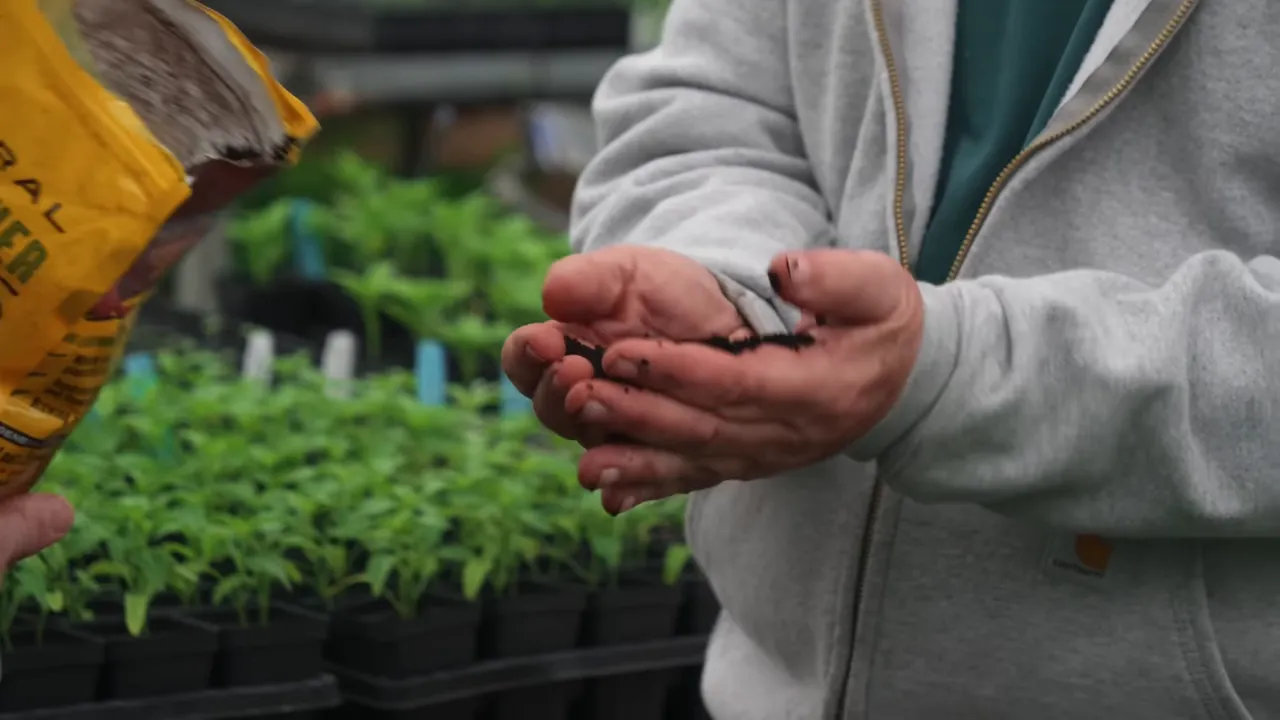
When we opened a store-bought bag, the castings were not completely dry. Zach considered that a good sign and gave them a B+. Store-bought does not automatically mean poor quality.
You do not need a huge amount
Zach’s suggested compost-and-castings combination is about 95% compost and 5% worm castings. Think of that as his practical blend recommendation, not a universal formula for every soil or crop.
The point is that compost supplies the bulk of the organic matter. You do not need to fill a bed with expensive castings.
For a fresher source, look for a local producer whose process you can ask about, or raise composting worms yourself. Making compost and castings at home helps return your food scraps to your own plants and can reduce recurring garden expenses.
When Organic Fertilizer Helps
Compost is the foundation, but supplemental fertilizer still has a place. Three situations deserve particular attention.
1. A new garden bed
In a new bed, the microbial community is still developing. Supplemental organic nutrients can help support the first crops while the soil system becomes established.
2. Heavy-feeding crops
Corn is a good example, particularly in Phoenix. It needs substantial nitrogen to produce good ears, and Zach often finds supplemental feeding necessary.
Broccoli and cauliflower are other crops he mentioned as candidates for additional nutrients when needed.
Organic fertilizer ingredients may include fish meal, feather meal, blood meal, bone meal, alfalfa meal, and kelp. You can buy individual ingredients, sometimes for less money, or choose a blended product for convenience.
3. Containers, especially small ones
The smaller the container, the more you have to supply what a larger soil system would otherwise provide.
A small pot does not function like an in-ground garden or a 4-by-8-foot raised bed. It has a smaller reserve of growing medium and a more limited environment for nutrient cycling.
That is why containers are more likely to need supplemental organic fertilizer. Compost alone should not be treated as a complete feeding plan for every potted crop.
How often should you fertilize?
There is no single fertilizer interval that fits every raised bed, container, crop, and product. Use this framework:
- Established raised beds: Begin with seasonal compost topdressing and add supplemental nutrients when the crop and conditions call for them.
- New beds: Consider supplemental organic fertilizer while the soil community develops.
- Heavy feeders: Plan for possible additional nutrients rather than assuming compost will meet every demand.
- Containers: Expect more active feeding management, especially as pot size decreases, and follow the chosen product’s directions.
Organic fertilizer is still fertilizer. More is not automatically better, and choosing an organic source does not remove the need to use it thoughtfully.
The One Habit to Start With
If you have relied on quick-release fertilizer and want to change your approach, you do not need to overhaul everything at once.
Before your next planting, topdress the bed with an inch or two of good compost. Make replenishing organic matter a regular part of changing crops. Add fresh castings where appropriate, protect the surface with mulch, and disturb the soil as little as practical.
Then pay attention to what success looks like. Not just taller stems. Not just greener leaves. Look for healthy growth, productive plants, and a garden that becomes easier to care for over time.
We are not trying to grow the biggest plant at any cost. We are building soil that can keep growing good plants.


