Fall is a wonderful time to plant cool-season flowers in Arizona. Nurseries and garden centers are full of easy-to-find favorites, and a few transplants can bring color to your containers through the cooler months and into spring.
You don’t need enormous pots or a cart full of plants. Some of my favorite containers have just one or two flowers in them. The secret is choosing plants that look beautiful together, giving them space to grow, and paying a little extra attention while they settle in.
Key Takeaways
- Leave room between new transplants instead of filling every inch of the container.
- Pair taller flowers with low-growing plants for an easy, balanced container arrangement.
- Plant lobelia after the heat subsides and keep its small root ball from drying out.
- Check watering closely after planting, then ease back as new growth appears.
Give Your Flowers Room to Grow
It’s tempting to fill every inch of a container on planting day. But a newly planted pot doesn’t need to look full. Those little transplants will grow during our beautiful cool weather.
When plants are crowded too closely, they tend to stay smaller. Leave room for each one to develop and bloom rather than squeezing in extra plants to hide the soil.
Think about where the growth will go, too. A taller flower can grow through the center or toward the back, while a low, mounding flower fills the front or trails over the edge. That simple arrangement works in several of my favorite combinations.
7 Flower Combinations for Fall and Winter Containers
1. Geraniums and Sweet Alyssum
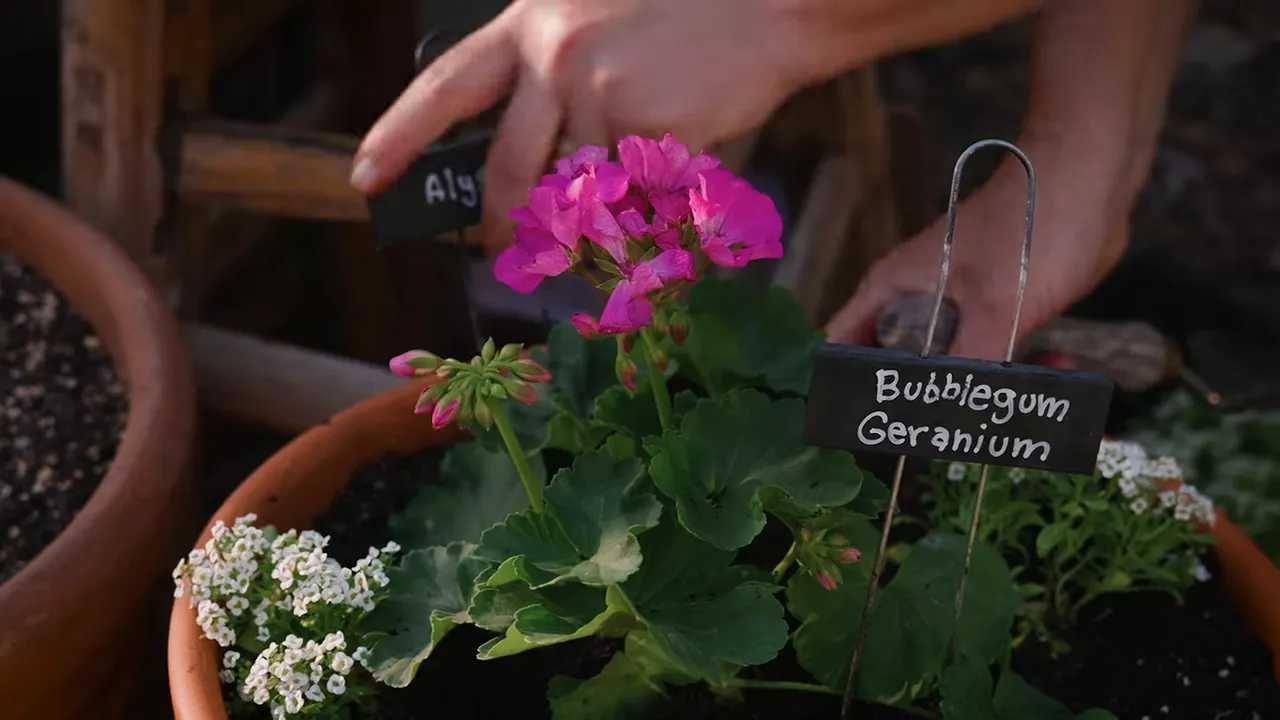
Geraniums and sweet alyssum are a classic combination. The geranium brings larger flowers and an upright focal point, while the alyssum softens the outside of the pot.
- Middle: Place the geranium in the center.
- Outside edge: Add two or three sweet alyssum plants around it, as space allows.
- Positioning: Angle the alyssum root balls toward the middle, with the flowers facing outward.
You don’t need to use an entire nursery pack of alyssum in one container. A few plants will fill in and trail over the sides as they grow.
2. Gazanias and Violas
Gazanias and violas come in so many colors that it’s easy to find a combination you love. Choose coordinating shades, then plant the gazania in the middle with violas around the outside.
The violas fill the edges while gazania flowers bloom up through the center. There’s a useful seasonal transition here, too: when the weather turns hot and the violas die back, the gazania has more room to grow.
It’s a lovely way to enjoy cool-season color without expecting every plant in the pot to last for the same length of time.
3. Snapdragons and Sweet Alyssum
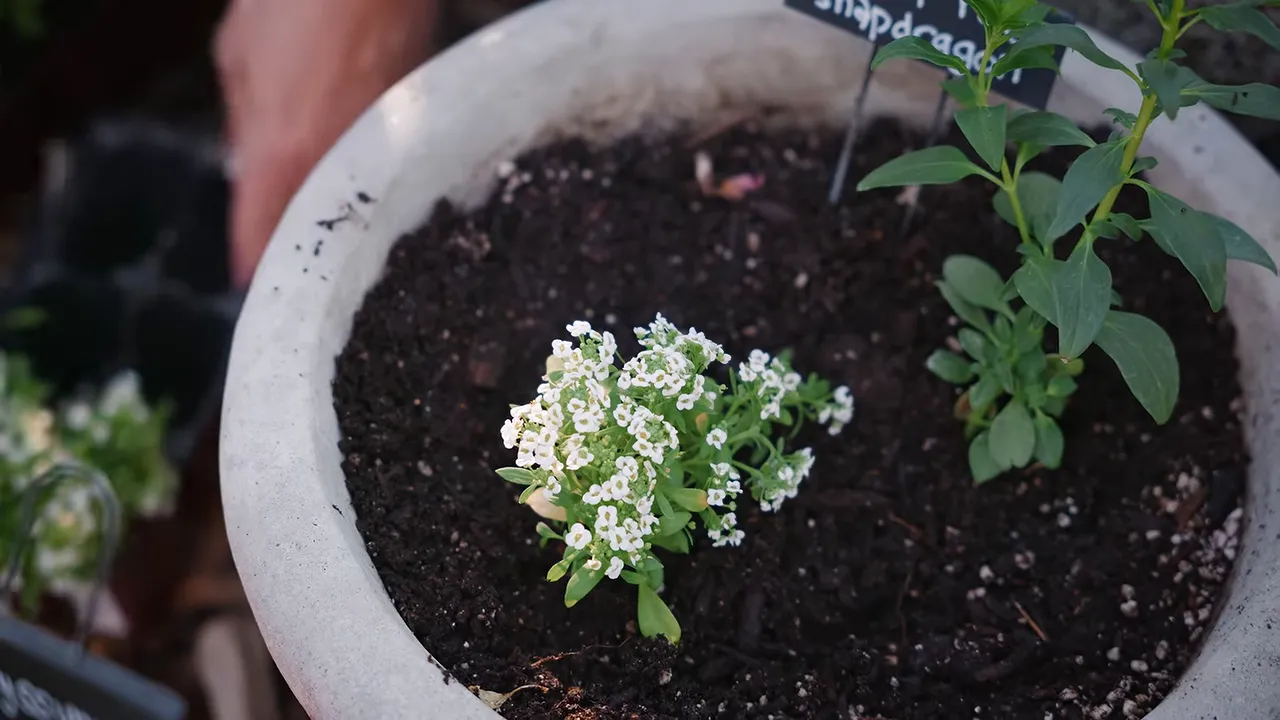
A tall flower paired with a low, mounding flower makes a simple, pretty container. For this combination, I use one snapdragon toward the back of the pot and one sweet alyssum toward the front.
The snapdragon grows upward, and the alyssum spreads toward the rim and trails over it. Just two plants give you contrasting heights and plenty of room for growth.
4. Blue Salvia and Lobelia
This is my favorite combination. There’s something about bright blue flowers that adds such a beautiful pop of color to the garden.
I love blue salvia because, once established, it can keep growing into the heat for a while. It’s a plant that can stay in the garden for a long time. Lobelia needs a little more care, but those delicate flowers are worth it.
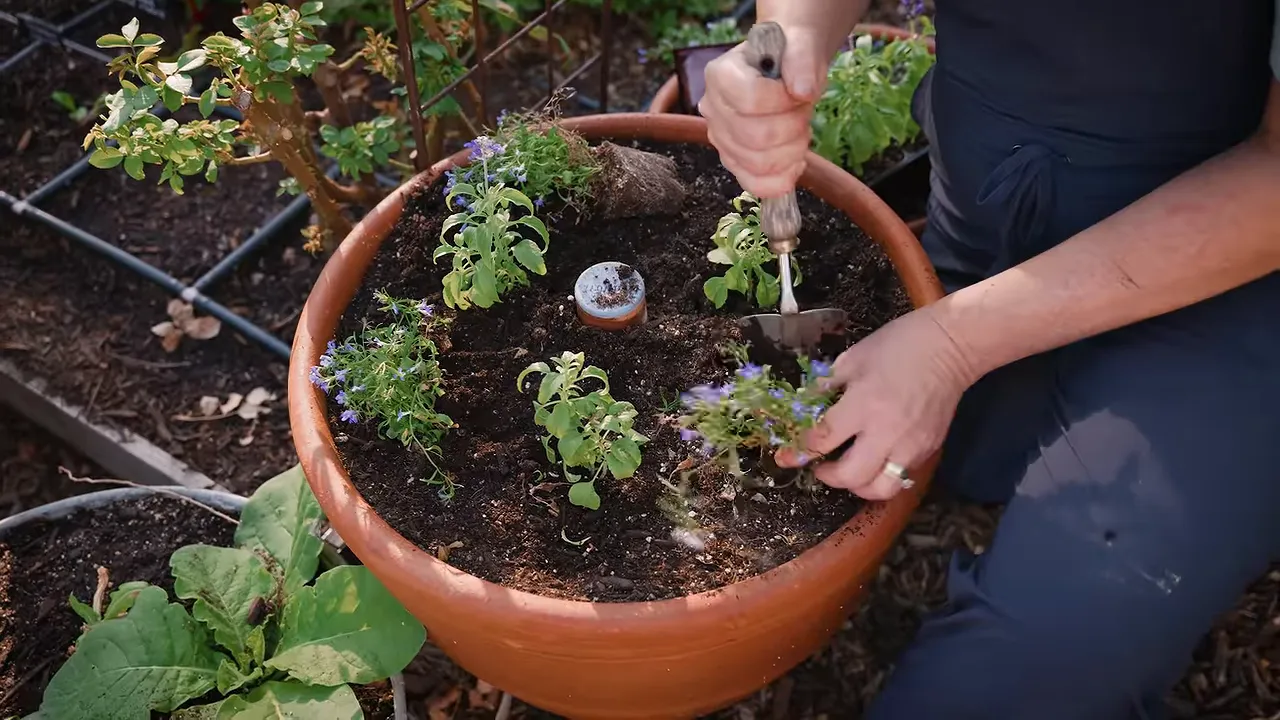
Wait until the weather cools before planting lobelia. It doesn’t like heat, and planting it too early can mean losing it. It also appreciates a little shade.
In my larger container, I plant three blue salvias around the middle, then tuck one lobelia between each of them. That pot also has an olla filled with water inside. Even with that in place, I pay close attention to the new transplants and water them as they get established.
Lobelia can arrive from the nursery a little dry. Check those small root balls carefully and don’t let them dry out completely.
5. Stock and Lobelia
Stock brings height and wonderful fragrance to a container. Pair it with lobelia around the edge, and you have upright flowers above a softer layer of trailing color.
Stock grows tall without getting especially wide. For this arrangement, I place three stock plants in the middle and add lobelia around the outside.
Be gentle when removing stock from its nursery pack. It’s easy to pull the top of a plant free while leaving roots behind, and a plant that loses much of its root system is less likely to survive. Take the time to ease the whole root ball out.
6. Stock, Dianthus, and Sweet Alyssum
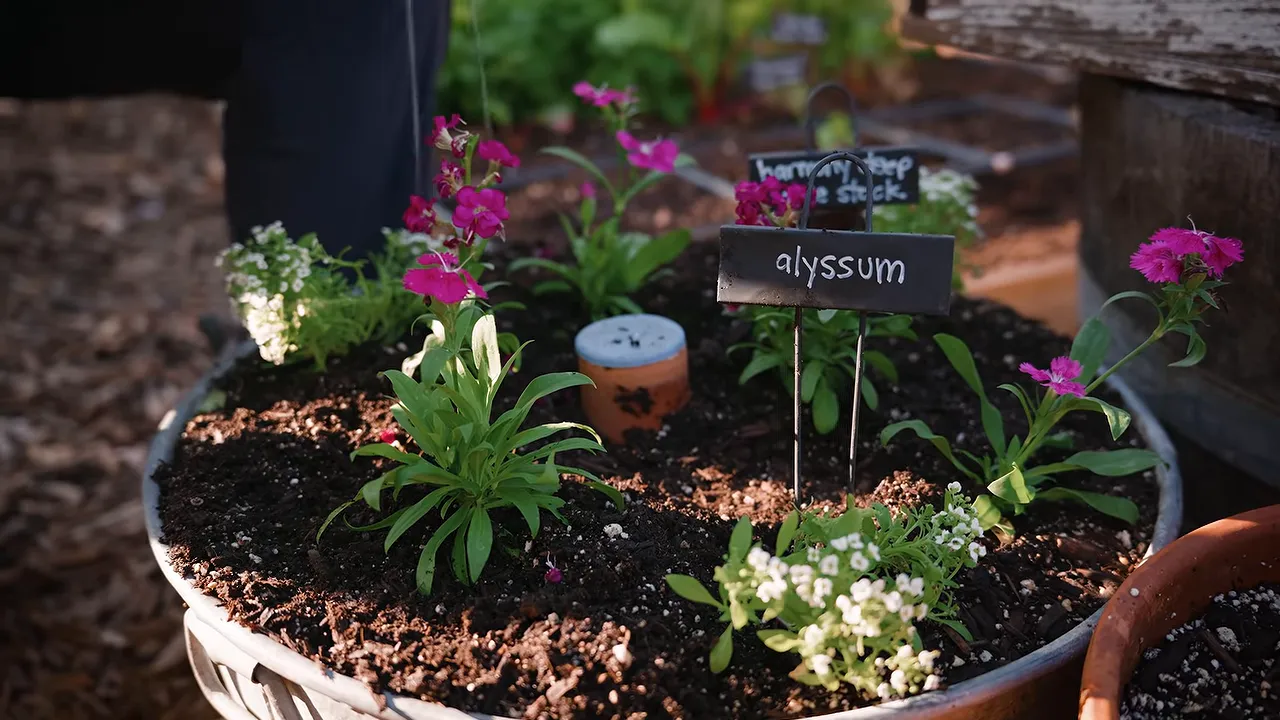
For a little more variety, combine stock with dianthus and sweet alyssum. Place the stock toward the inside, then alternate dianthus and alyssum around the outside.
When you’re shopping, look for flowers whose colors coordinate and make you happy. That’s a much better starting point than feeling you have to copy an exact color scheme.
Our planting seasons can feel short, so I like buying transplants that are already flowering. They bring cool-season color to the garden right away while the plants continue to grow.
7. Blue Salvia and Violas
If you love blue flowers as much as I do, try blue salvia with blue violas. The salvia provides a taller element, while the violas bring flowers lower down in the container.
This is another way to repeat a favorite color without using only one type of plant.
Sometimes it’s helpful to remove blooms at planting time so a transplant can put more energy into getting established. I’ll admit that’s always a little hard for me. I love seeing those flowers!
Easy Single-Flower Containers
Not every pot needs a combination. A small container with just one kind of flower can be every bit as beautiful, especially when it has enough space to fill out.
- Petunias: One plant can be plenty for a small pot. Give it its own container and room to spread and bloom.
- Violas: These pair well with other flowers, but they’re also lovely on their own in a smaller container.
- Dianthus: A single dianthus tucked into a small pot is an easy way to add another spot of color.
Don’t be afraid to garden in small containers during the cooler months. You don’t have to add more plants just because there’s still some soil showing.
Help New Transplants Settle In
Keep the Root Ball Intact
Before pulling on a plant, gently squeeze the sides of its nursery cell to help release it. Sometimes pushing up from the bottom helps, too. Support the root ball as it comes out, and make sure the roots come with the plant rather than staying behind in the pack.
Once the transplant is in place, gently firm the soil around it.
Pay Extra Attention to Watering at First
Small transplants have small root balls, and some may already be dry when you bring them home. Water them after planting and check them closely during the first few days. They may need water more often at first than they will once established.
Lobelia is one to keep a particularly close eye on. It does not like drying out completely.
New growth is a reassuring sign that the plants are settling in. Once you see it, you can begin backing off the watering a little, while continuing to check how quickly each pot dries.
Choose Containers You Enjoy Using
You’ll notice that different containers dry at different rates. Terracotta tends to dry a little more quickly, but it also allows the roots to breathe. That’s one reason I love using it.
The cooler fall and winter months make container gardening more forgiving here. Many different container types work well, including smaller pots that need more attention during hotter weather. For broader container-care guidance, the Royal Horticultural Society’s container gardening resources are a useful reference.
Start with a few flowers you love, leave them room to grow, and help those little root balls stay watered while they settle in. Filling the garden with cool-season color really can be that simple.


