If I were starting a fall vegetable garden from scratch in Arizona’s low desert, these are the 10 crops I’d plant first. They’re productive, relatively easy to grow, and worth the space they take up.
After years of gardening in Mesa, Arizona, I’ve learned that a vegetable can sound wonderful on a seed packet and still be more trouble than it’s worth in my garden. Gardening in the desert is challenging enough without giving our limited space to crops that struggle.
My goal is a garden I can actually harvest from. That means plenty of greens, crops that keep producing, and a few favorites that make it easy to bring something fresh into the kitchen all winter.
Table of Contents
- 10 Crops I’d Plant in a Low Desert Fall Garden
- 3 Vegetables I’d Skip in a Low Desert Fall Garden
- Choose Crops That Earn Their Space
10 Crops I’d Plant in a Low Desert Fall Garden
1. Kale: A Steady Supply of Leaves
Kale is at the top of my list. You can start it from seed or buy transplants, and it grows quickly without needing much room.
What makes kale especially valuable is the long harvest. Rather than growing a plant for one meal, you can keep gathering leaves for months. I love having fresh kale available for smoothies and quick salads. For a small fall garden, that kind of ongoing production makes it an easy choice.
2. Swiss Chard: Greens That Keep Going
Swiss chard is right there with kale. Start it from seed or transplants, and it can produce throughout the season.
One reason I appreciate chard in the low desert is that it doesn’t rush to bolt as temperatures begin warming up. Bolting is when a plant shifts into flowering and seed production, often bringing the leafy harvest toward its end. Chard gives me a longer window to enjoy the leaves, and anything we don’t eat goes to the chickens.
3. Carrots: A Big Harvest From a Packet of Seeds
Carrots still feel a little magical to me. A packet of tiny seeds can turn into baskets of carrots.
If handling those little seeds feels frustrating, look for pelleted carrot seeds or seed tape. Both make planting easier. Pelleted seeds have a coating that makes them larger to handle, while seed tape holds seeds along a strip.
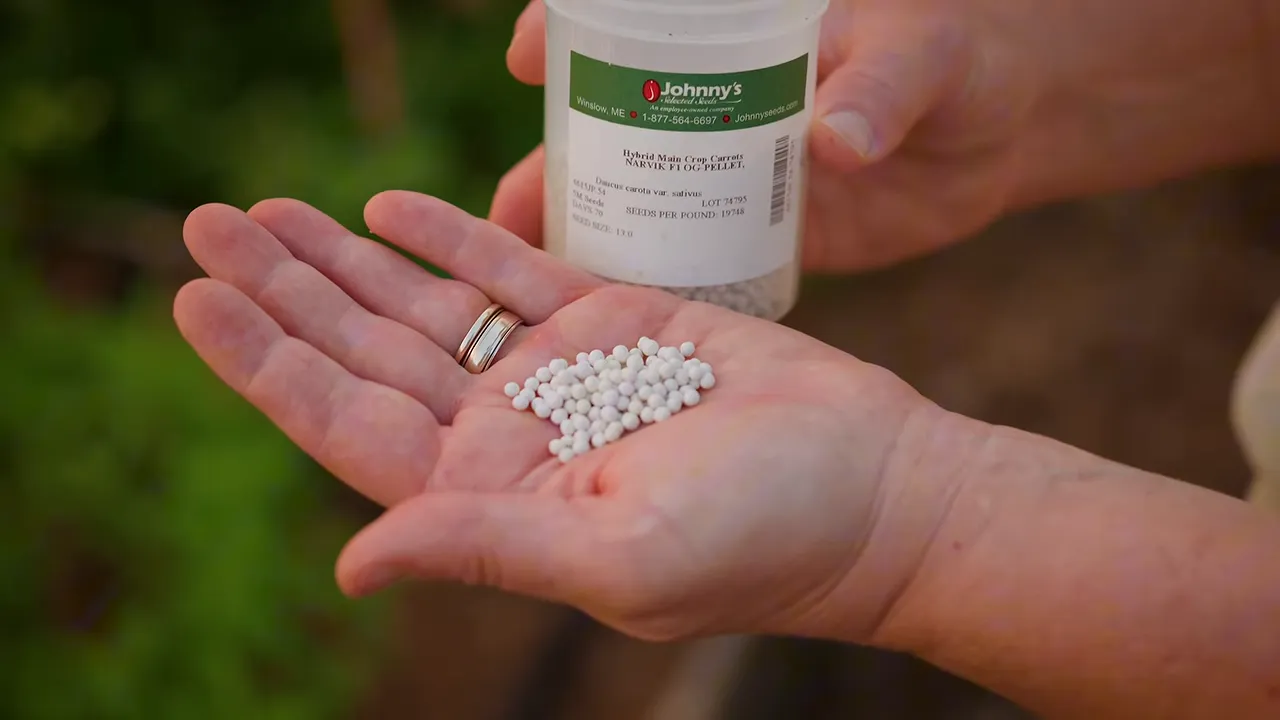
Don’t skip thinning. Giving the seedlings room to grow is an important part of getting nice, large carrots instead of a crowded patch of small roots.
4. Peas: Give Them a Trellis
Peas are fun, and they’re almost always a success in my fall garden. Plant the seeds beside a trellis so the plants have something to climb as they grow.
Once they get going, the biggest challenge is often keeping up with picking. That’s exactly the sort of gardening problem I like to have.
5. Broccoli: More Than One Harvest
Broccoli takes some patience, but it earns its place. I grow it from either seed or transplants.
The important thing to remember is that harvesting the main head doesn’t have to mean the plant is finished. Leave the plant in place so you can harvest side shoots for weeks afterward. Those smaller harvests are a big part of what makes broccoli worth the wait and the garden space.
6. Cilantro: Plant Often, Then Let Some Flower
I like to scatter cilantro seeds in different areas of the garden every couple of weeks. Staggering the plantings means there’s usually a patch ready when I need some for tacos.
Eventually, individual plants will bolt. With cilantro, that isn’t entirely a loss. The flowers attract ladybugs and other beneficial insects, so I’m happy to let some plants bloom throughout the garden.
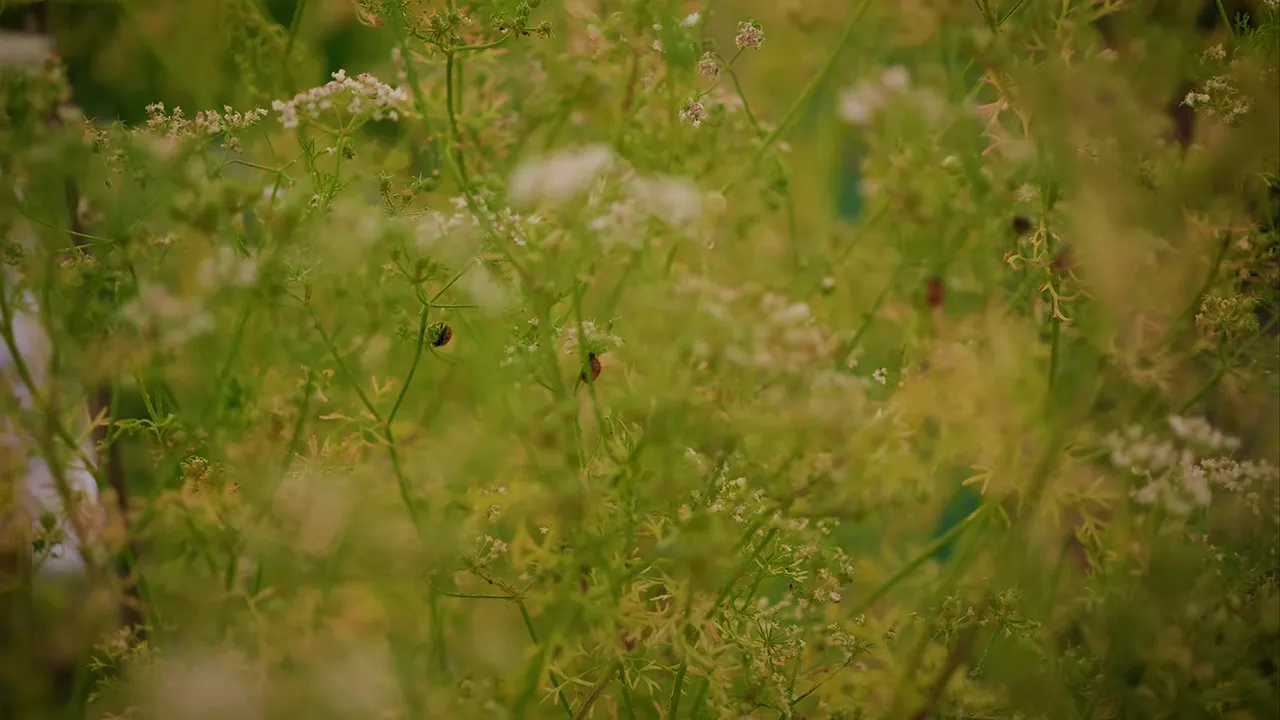
Successive sowings give me fresh leaves while older plants move on to flowering. Each planting has something useful to offer.
7. Fava Beans: Food and Organic Matter
Fava beans are an easy crop to plant from seed wherever there’s an appropriate open space.
They offer two useful returns: edible beans during the season and plant material that can go back into the soil as organic matter afterward. I appreciate crops that feed us and leave something useful behind for the garden, too.
8. Lettuce: Keep Another Patch Coming
I plant different types of lettuce around the garden, harvest the leaves young, and sow more every few weeks.
That repeated planting is called succession planting. Instead of relying on one patch to stay perfect all season, you have younger plantings coming along behind it.
If one patch dries out or becomes bitter, I can move on to another. With this approach, lettuce can provide fresh greens throughout winter rather than one harvest followed by a long wait.
9. Celery: Start With a Transplant if Needed
Celery is the crop on this list that’s trickier to start from seed. If you haven’t already started it, look for transplants or try rooting the base of a grocery-store bunch.
What I love is being able to step into the garden and harvest a stalk or two when I need it. You don’t have to treat celery as an all-at-once harvest. Having a growing plant nearby is handy when a recipe only calls for a small amount.
10. I’itoi Onions: A Low-Effort Desert Favorite
If you haven’t grown I’itoi onions, they’re worth making room for. They’re the easiest onions I grow in my desert garden: productive, low effort, and generous once you have a few bulbs established.
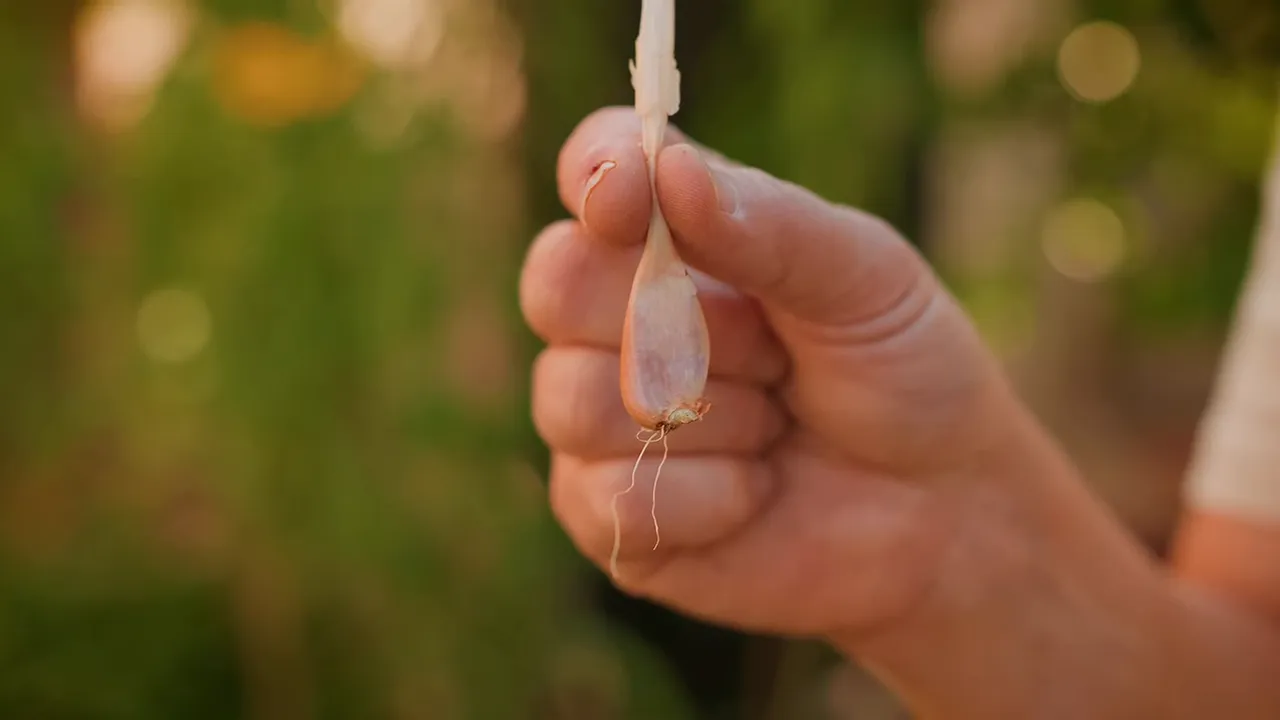
These multiplying onions make it possible to keep a supply going from a small beginning. I harvest both the greens and bulbs through winter. For an edible plant that asks relatively little and keeps giving, I’itoi onions are hard to beat.
3 Vegetables I’d Skip in a Low Desert Fall Garden
These aren’t vegetables nobody should grow. They’re simply crops I wouldn’t prioritize if I were starting over and wanted reliable harvests with less fuss.
Brussels Sprouts: Not the Best Climate Match
Brussels sprouts always seem like a good idea, but our low desert winters don’t provide the conditions they need to perform well in my garden. Even in colder years, they struggle.
If space is limited, I’d give their spot to something better suited to the climate rather than keep hoping this will be the season they finally thrive.
Cauliflower: A Lot Riding on One Head
Cauliflower looks beautiful in pictures, but it can be picky in the desert. Temperature swings can lead to buttoning, where a small head forms prematurely, or heads that begin separating instead of staying compact.
Then there’s the return on all that effort: one head. Unlike broccoli, cauliflower doesn’t give me weeks of side-shoot harvests afterward. Harvest timing matters, too, because missing the right moment can mean disappointing texture.
For a garden focused on dependable production, I’d rather make room for broccoli.
Spinach: I Have Better Luck With Other Greens
I know spinach has its fans, but I’ve had much better luck with other leafy greens. In my garden, spinach bolts quickly, can be finicky, and doesn’t handle temperature swings well.
When I want a substantial harvest, I’d rather grow kale, lettuce, or Swiss chard. There’s no requirement to grow spinach just because it’s a familiar cool-season crop.
Choose Crops That Earn Their Space
You don’t need to grow everything to have a productive fall vegetable garden. If you only have room for a few crops, choose the ones you enjoy eating and can harvest from regularly.
For me, the strongest choices combine a good fit for our climate with a useful harvest. Repeated sowings of lettuce and cilantro keep fresh plantings coming. Kale and chard provide leaves over a long season. Broccoli rewards patience with more than its main head, and I’itoi onions keep multiplying.
These recommendations are specific to Arizona’s low desert. For additional local gardening resources, the University of Arizona Cooperative Extension is a useful reference.
If you’d like help knowing what to plant and when in the low desert, my Vegetable, Herb & Fruit Planting Guide or Garden Planner & Journal can help you work through the season step by step.
|