Have you noticed a tall stalk with a rounded bud growing from the center of your onion? That onion is getting ready to flower. The process is called bolting, and it means your plans for that onion need to change.
Seeing flower stalks in a bed of onions can be disappointing, especially when you were hoping for big bulbs to store. But bolting does not mean the harvest is wasted. You can still use those onions, preserve them, or leave a few to produce seeds. The important thing is to act rather than wait for your usual harvest signals.
Key Takeaways
- Bolting shifts an onion’s energy from growing its bulb to producing flowers and seeds.
- Harvest bolted onions promptly; removing the flower stalk will not restart bulb growth.
- Freeze, dehydrate, or freeze-dry extra onions instead of curing them for normal storage.
- Choose locally suited varieties, follow planting dates, and favor seeds or transplants over sets.
What Does It Mean When an Onion Flowers?
An onion flower stalk starts small, then stretches upward, often growing taller than the surrounding leaves. A rounded bud develops at the tip and eventually opens into a cluster of little flowers.
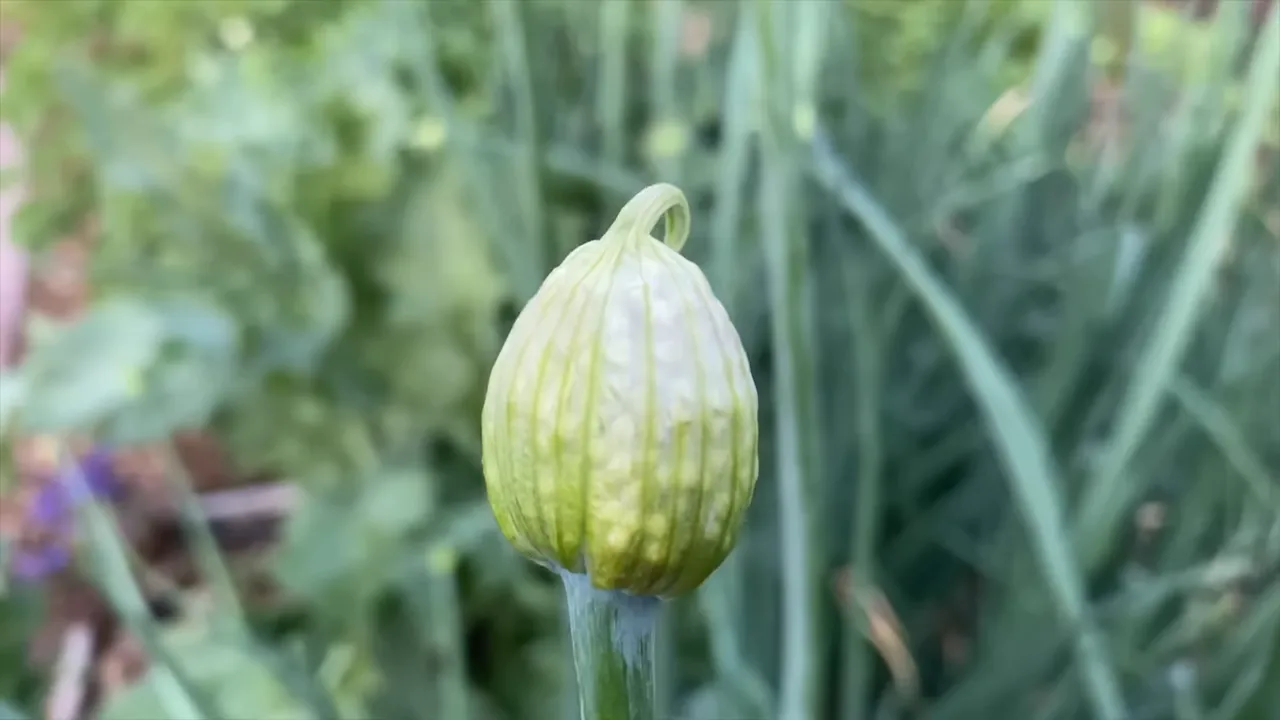
Once an onion bolts, its focus shifts from growing a nice, fat bulb to producing flowers and seeds. The bulb stops getting bigger as the plant directs its energy toward reproduction.
That is why recognizing the flower stalk matters. Leaving a bolted onion in the ground longer will not give you the larger bulb you were hoping for.
Why Do Onions Bolt?
Stress can encourage onions to bolt, and several growing conditions can contribute:
- Heat or cold.
- Too much water.
- Not enough water.
- Fluctuating temperatures.
Temperature swings are what I suspect caused a particularly high bolting rate in my own garden. We had warm spring temperatures, followed by cool weather, and then it warmed up again.
That cool period may have encouraged the onions to go somewhat dormant. When warm weather returned, the plants may have responded as though they had entered their second growing season. And just like that, flower stalks appeared.
Both my seed-grown onions and my transplants bolted at a high rate that season, which is another reason I suspect the weather. Sometimes you can make good planting choices and still have a difficult onion year.
What to Do Once Your Onions Bolt
Once you spot a flower stalk, you have a few options. Which one you choose depends on whether you want to use the onion now, buy a little time, or collect seeds.
Harvest and use the onion right away
The simplest option is to pull the onion and use or preserve it promptly. You can use bolted onions fresh or in cooking, just as you would regular onions. They do not have to reach a large size to be useful in the kitchen.
Cut off the flower stalk to buy a little time
If you cannot use all your bolted onions immediately, you can remove the flower. Snip it off near the top, or cut the flower stalk farther down.
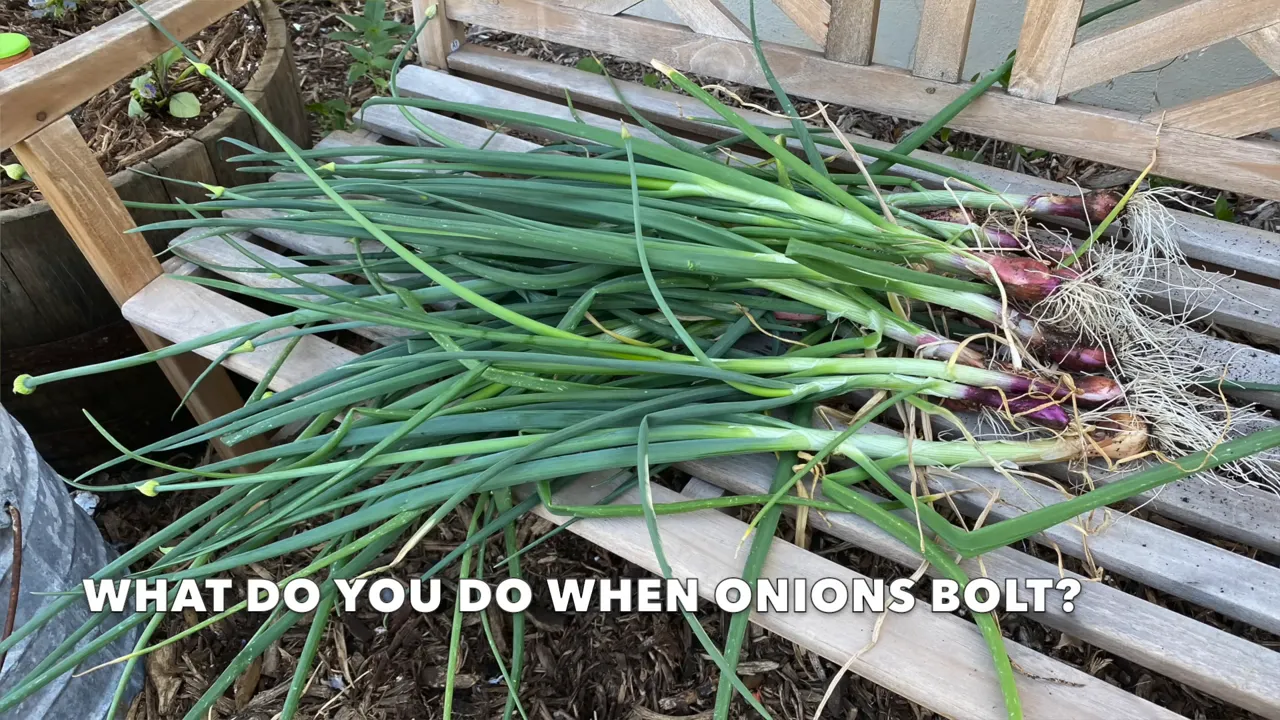
Removing the stalk stops that flower from continuing toward seed production, but it does not reverse bolting or restart bulb growth. Think of it as buying a little time to use the onion, not fixing the problem.
Do not wait for the outer leaves to turn brown and the tops to fall over, as you normally might with a mature onion crop. By that point, a bolted onion may have become woody or started to rot.
Leave a few onions to produce seeds
If you would like to save seeds, leave a couple of bolted onions in the garden and allow the flowers to finish developing. You can collect the seeds once they mature and save them for planting next season.
Keep this separate from your kitchen harvest plan. The onions you leave for seed are being grown for a different purpose now, not for larger storage bulbs.
How to Use and Preserve Bolted Onions
Ordinary storage onions are allowed to mature, their tops fall over, and the bulbs are harvested and cured for storage. That process can help suitable onions last for months.
Bolted onions need a different approach. Rather than putting them through your normal curing and storage routine, plan to eat or preserve them promptly.
If more onions bolt than you can use fresh, these three preservation methods can help you make the most of the harvest.
1. Freeze them
Chop the onions and freeze them. This is a straightforward option when you need to process a batch of onions rather than use them all at once.
2. Dehydrate them
Slice the onions and dehydrate them until they are completely dry. Store the dried pieces in jars, or process them into onion powder.
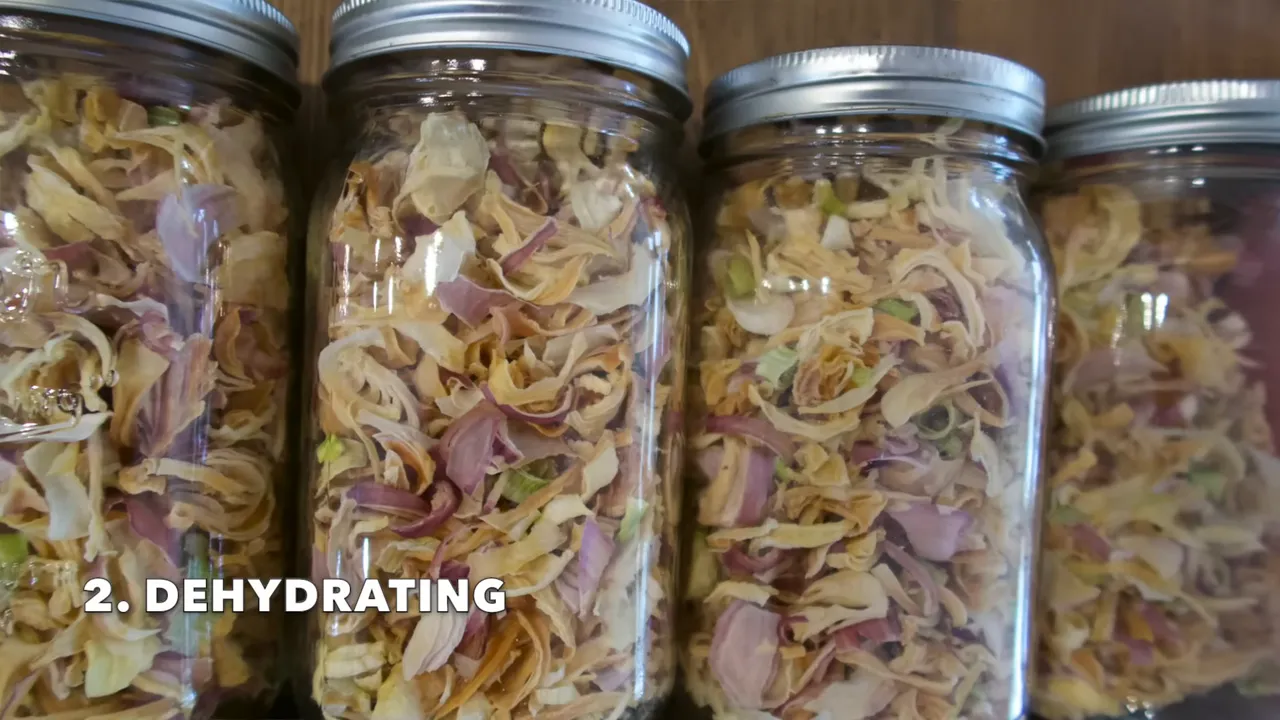
The key is to finish drying the onions before storing them. For additional guidance on drying vegetables, the National Center for Home Food Preservation’s drying resources are a useful reference.
3. Freeze-dry them
Freeze-drying is another option, and it is the method I chose for my large batch of bolted onions. Freeze-dried onions can be used similarly to fresh onions, or blended into powder.
Choose the method that fits the equipment you have and how you like to cook. The goal is to preserve the harvest while the onions are still useful, rather than lose them while waiting for bigger bulbs.
How to Reduce Onion Bolting Next Season
We cannot control the weather or guarantee perfect onion-growing conditions. We can, however, make choices that give our onions a better chance.
Choose an onion variety suited to your location
Onions are generally grouped into short-day, intermediate-day, and long-day varieties. Choose the type suited to where you garden rather than picking a variety based only on its size, color, or name.
A local planting guide or extension resource can help you make that choice. The University of Minnesota Extension’s onion-growing guide also explains how day length affects onion variety selection.
Plant at the correct time for your climate
Following your local onion planting window gives the crop its best chance of growing under suitable conditions. It does not guarantee ideal temperatures, but planting at the right time is one of the things you can control.
Use a planting guide written for your area. If you garden in Arizona’s low desert, my Low Desert Planting and Harvest Calendar is a location-specific resource for planning planting dates.
Start with seeds or transplants rather than sets
Onion sets are the little bulbs sold for planting. They are more likely to bolt than onions started from seed or planted as young transplants.
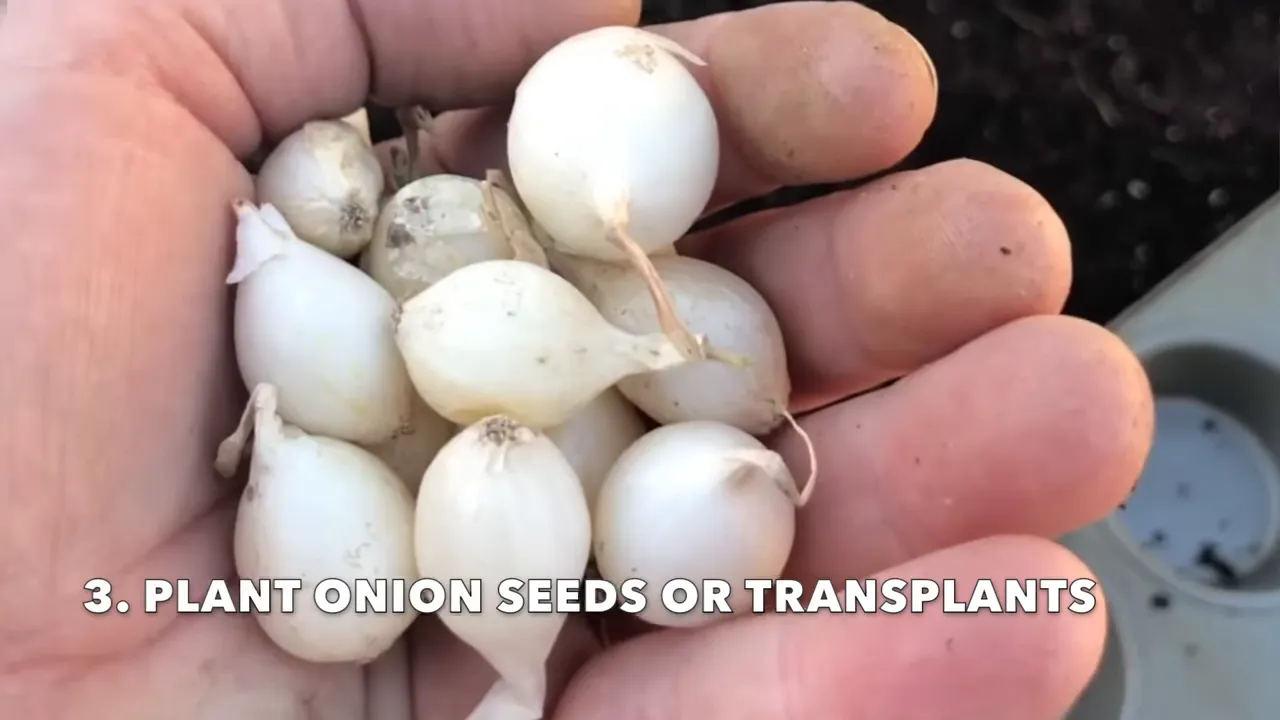
Seeds or transplants generally give you a better chance of avoiding bolting, especially in hot climates. They are not a guarantee, though. My own seed-grown onions and transplants both struggled during a season of temperature swings.
If your onions bolt, make the most of what you have: harvest promptly, preserve the extras, and save a few seeds if you would like. Then use what you learned about variety, planting time, and growing conditions to plan the next crop. A flowering onion changes the harvest plan, but it does not have to mean losing the harvest.


