A homegrown cantaloupe picked right off the vine is one of the best reasons to have a garden. That sweet flavor is hard to find in a melon from the store, and getting it starts long before harvest day.
Cantaloupe loves warm weather and needs a long growing season. That is great news for those of us gardening in the desert. In my Mesa, Arizona garden, a sunny spot, healthy vines, regular water, and a little patience at harvest time make all the difference.
These are my best tips for growing cantaloupe, from choosing a planting spot to knowing when that melon is ready to slip off the vine.
Key Takeaways
- Plant cantaloupe in warm weather with plenty of sun, compost-rich soil, and room for vigorous vines.
- Water the full root zone regularly and mulch established seedlings to preserve moisture.
- Keep healthy leaves and side shoots to support sugar production in developing fruit.
- Harvest when the rind turns golden, the melon smells fragrant, and the stem releases easily.
Table of Contents
- 1. Give Cantaloupe Plenty of Sun and Rich Soil
- 2. Choose a Variety That Fits Your Garden
- 3. Wait for Warm Weather Before Planting
- 4. Direct Sow When Possible and Thin Seedlings Early
- 5. Rotate Crops and Make Room for the Vines
- 6. Water Deeply and Add Mulch
- 7. Help With Pollination if Fruit Is Not Developing
- 8. Keep the Leaves and Let Sweetness Develop on the Vine
- 9. Use Color, Smell, and Stem Release to Know When to Harvest
1. Give Cantaloupe Plenty of Sun and Rich Soil
Healthy vines are the foundation of a good cantaloupe harvest. Choose a spot that gets plenty of sun. Plants grown with too little light tend to be less vigorous and more prone to problems than those growing in a sunny location.
Here in the low desert, a little afternoon shade is helpful. You do not have to choose the hottest, most exposed spot in the garden. The goal is plenty of sunlight to support strong growth, with some relief from intense afternoon heat if you can provide it.
Cantaloupe also does best in fertile soil full of organic matter. Before planting, amend the growing area with plenty of compost. Preparing the soil before those seeds go in gives the plants a good start.
2. Choose a Variety That Fits Your Garden
Most cantaloupe varieties grow well here in Arizona’s low desert, so there is room to experiment. Your garden’s history can help you narrow down the choices.
- If powdery mildew has been a problem: Look for varieties with resistance, such as Ambrosia or Planters Jumbo.
- If your growing season is short: Consider a short-season variety that can reach harvest sooner.
- If you prefer smaller melons: Try mini cantaloupes. They perform well here and can produce several smaller fruits that ripen over time.
Choosing a resistant variety is especially useful when you already know a particular disease tends to show up in your garden. It is much easier to plan for that challenge before planting.
3. Wait for Warm Weather Before Planting
Do not be in too much of a hurry to plant cantaloupe. Cantaloupe is very frost sensitive and grows best once the weather and soil have warmed.
Here in the low desert, the planting window begins after the last frost and continues through about July. Cantaloupe is one of the few crops we can plant in July, which gives us an opportunity to start more than one crop during our long growing season.
That timing is specific to a warm, long-season climate. In cooler areas, you may need to give plants a short head start indoors:
- Start cantaloupe seeds indoors about three weeks before your last frost date.
- Wait until all danger of frost has passed before planting outside.
- Use young seedlings and handle their roots carefully when transplanting.
For additional regional growing guidance, the University of Minnesota Extension’s guide to growing melons in home gardens is a useful reference, particularly for gardeners working with a shorter season.
4. Direct Sow When Possible and Thin Seedlings Early
My preference is to plant cantaloupe seeds right where they will grow. Cantaloupe is happiest when its roots do not have to be disturbed.
If you buy transplants or start seeds indoors, choose the youngest practical seedlings. Be gentle with the root ball during planting rather than pulling it apart.
When direct sowing, use this simple approach:
- Plant two or three seeds in each planting hole.
- Let the seedlings grow until they are about 2 to 3 inches tall and beginning to develop their first true leaves.
- Choose the strongest, healthiest seedling to keep.
- Snip off the extra seedlings rather than pulling them out.
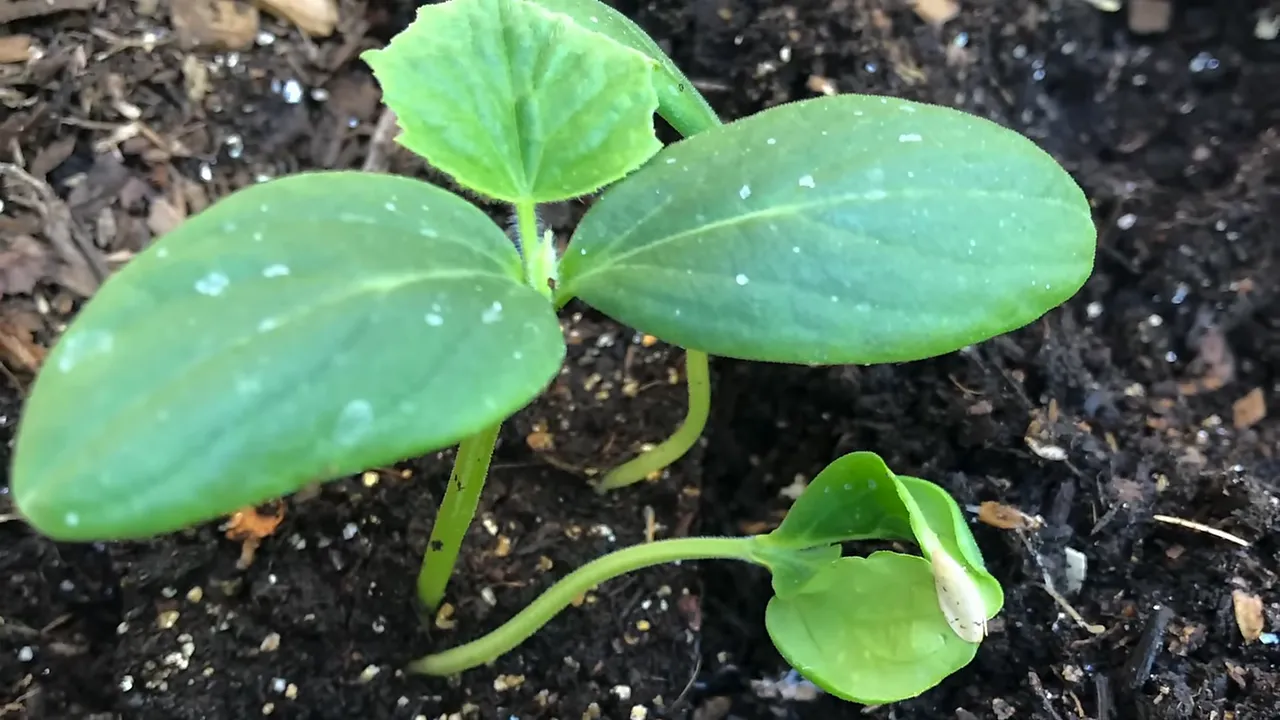
It can be tempting to leave all the seedlings, but crowding does not give them a better chance. One healthy plant with room to grow is a better start than several competing in the same spot.
5. Rotate Crops and Make Room for the Vines
Choose a different planting location each year, keeping the whole plant family in mind. Cantaloupe is related to cucumbers, squash, and pumpkins. Moving cantaloupe into the spot where you grew cucumbers last year is not really changing crop families.
Repeatedly growing related crops in the same location can allow their shared pests and diseases to build up. Think about where all those crops have grown when deciding where to plant your next cantaloupe crop.
Grow cantaloupe vertically to save space
My favorite way to grow cantaloupe is vertically. The vines love to climb, and I have grown them on arbors, arches, ladder mesh, and even ladders. If it climbs, I have probably tried growing cantaloupe on it.
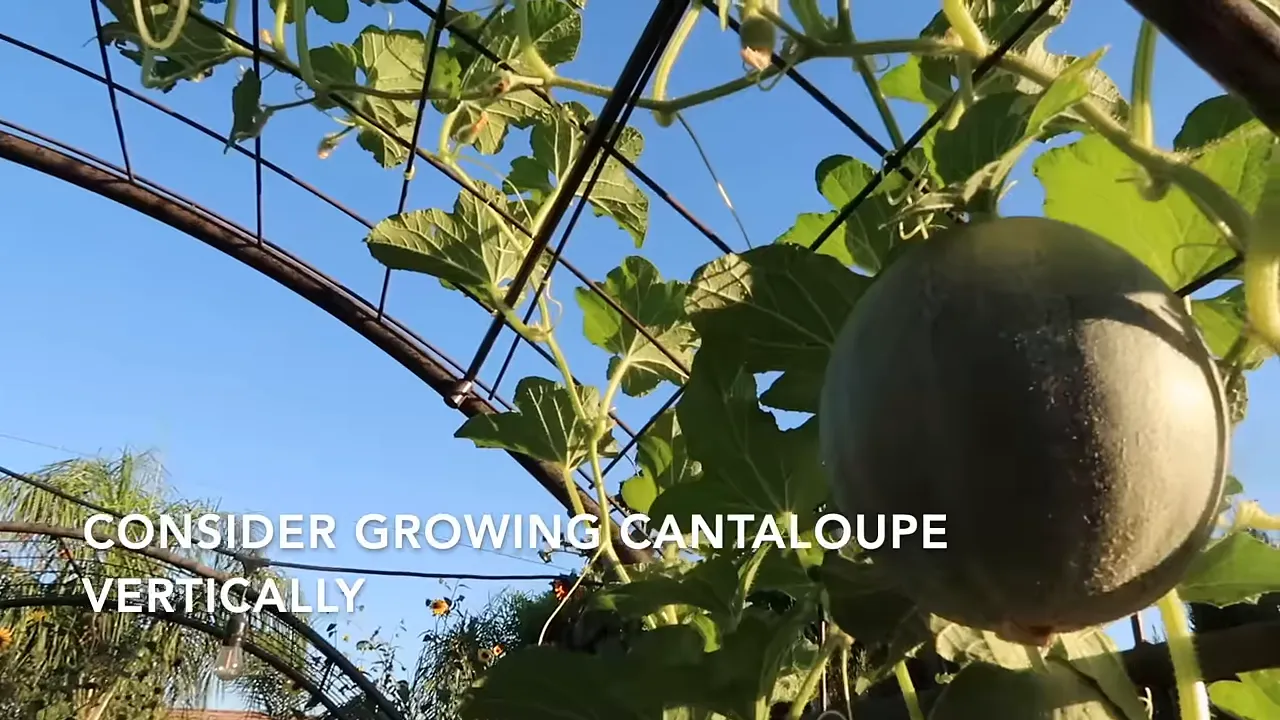
The melons I grow often hang successfully from their vines as they develop. Growing upward also makes the fruit and foliage easier to inspect and helps keep leaves out of the watering area.
Give ground-grown plants plenty of space
Cantaloupe can also sprawl through a garden bed. The vines do not get quite as large as watermelon vines, but they still need room. Allow about 3 to 4 feet between plants when growing cantaloupe on the ground.
Lift leaves regularly and inspect underneath them for insects and signs of disease. Problems are easier to miss when everything is spreading across the soil.
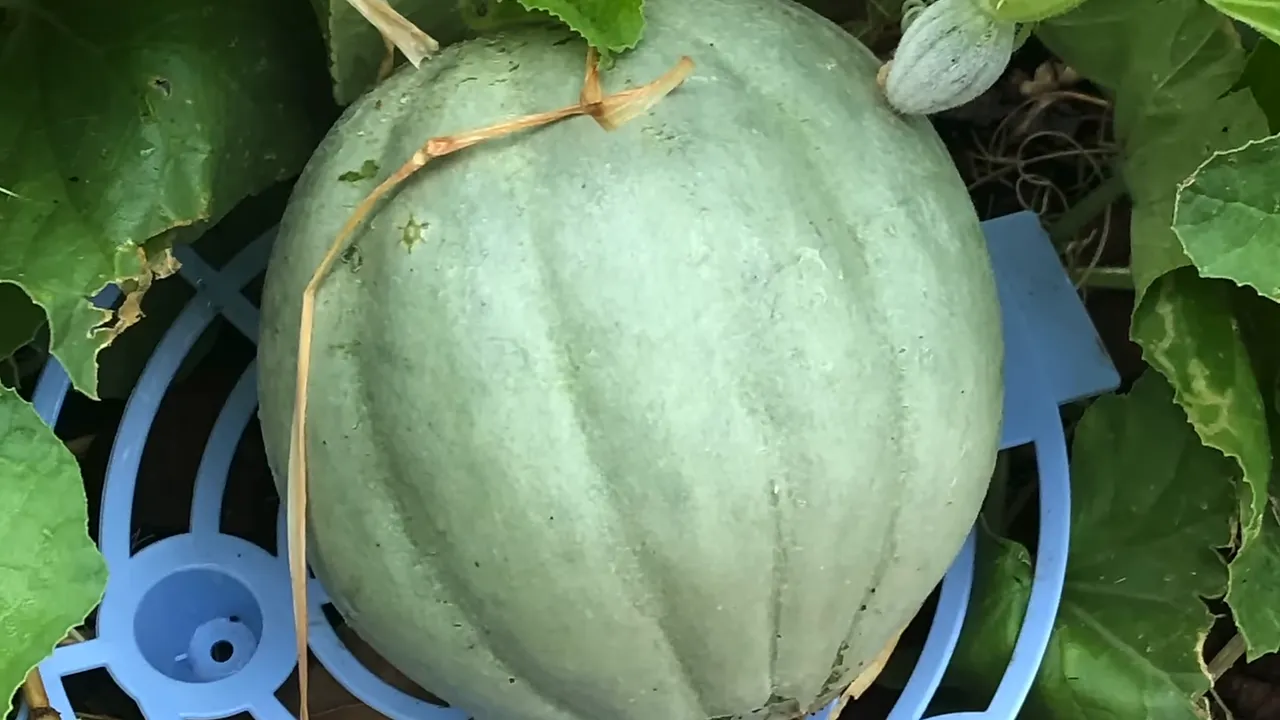
Once fruit forms, place a melon cradle or another suitable support underneath it to lift it off the ground. There is nothing more disappointing than finding a beautiful melon, turning it over, and discovering that bugs have eaten the underside.
6. Water Deeply and Add Mulch
Cantaloupe needs regular water to support its vines and developing fruit. Water in the morning, directing water to the soil rather than over the leaves. Keeping foliage dry is a useful disease-management habit, and growing vertically makes that easier.
During the hottest months, I water my raised beds every morning. That is what works in my desert garden, not a schedule every garden needs to follow. The important point is to water deeply enough to moisten the entire root zone, rather than giving the surface a quick sprinkle.
Once seedlings are several inches tall, add a thick layer of mulch around the plants. Mulch helps:
- Preserve soil moisture.
- Suppress weeds.
- Maintain a more consistent growing environment around the roots.
Regular watering and mulch work together to support a healthier plant through the heat.
7. Help With Pollination if Fruit Is Not Developing
Ideally, bees will be busy moving among the flowers and taking care of pollination. Encourage them by planting flowers and avoiding pesticides that could harm them.
If small fruits wither instead of developing, inadequate pollination may be part of the problem. Before hand pollinating, learn to recognize the two flower types:
- Female flowers have a small, swollen, fruit-like structure directly behind the bloom.
- Male flowers sit on a slender stem without that swelling.
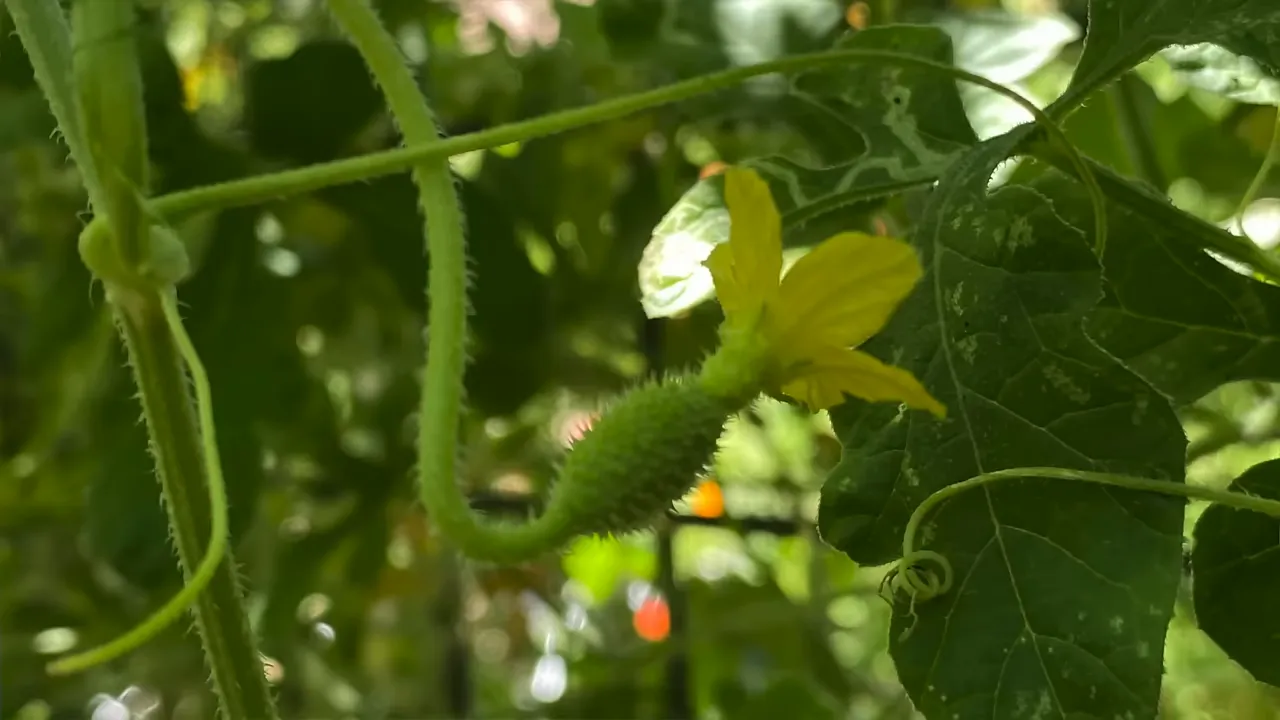
To hand pollinate, transfer pollen from a male flower to a female flower while both are open.
Be patient early in the flowering stage. Male flowers commonly appear a week or two before female flowers. A plant producing only male blooms at first is not necessarily having a problem.
8. Keep the Leaves and Let Sweetness Develop on the Vine
For sweet, flavorful cantaloupe, resist the urge to prune off healthy leaves or side shoots. The leaves produce the sugars that sweeten the fruit. Keeping that foliage gives the plant the energy it needs to develop a good harvest.
About a week before the melons are ripe, reduce watering as much as conditions reasonably allow. This final adjustment can help concentrate the fruit’s sugars. It is a finishing step near harvest, not a reason to withhold the regular water plants need while growing.
Most importantly, let cantaloupe ripen on the vine. A picked melon can continue to soften indoors, but it will not become sweeter. Harvesting too early means missing out on flavor you cannot add later.
9. Use Color, Smell, and Stem Release to Know When to Harvest
Knowing when to pick cantaloupe is easier when you use several clues together. As fruit approaches maturity, check it every day.
- Look at the background color. The rind should shift from a green tint toward a golden or orange hue.
- Smell the melon. A noticeable cantaloupe aroma is another sign that it is getting close.
- Check the stem. A ripe cantaloupe should slip easily from the vine without a tug.
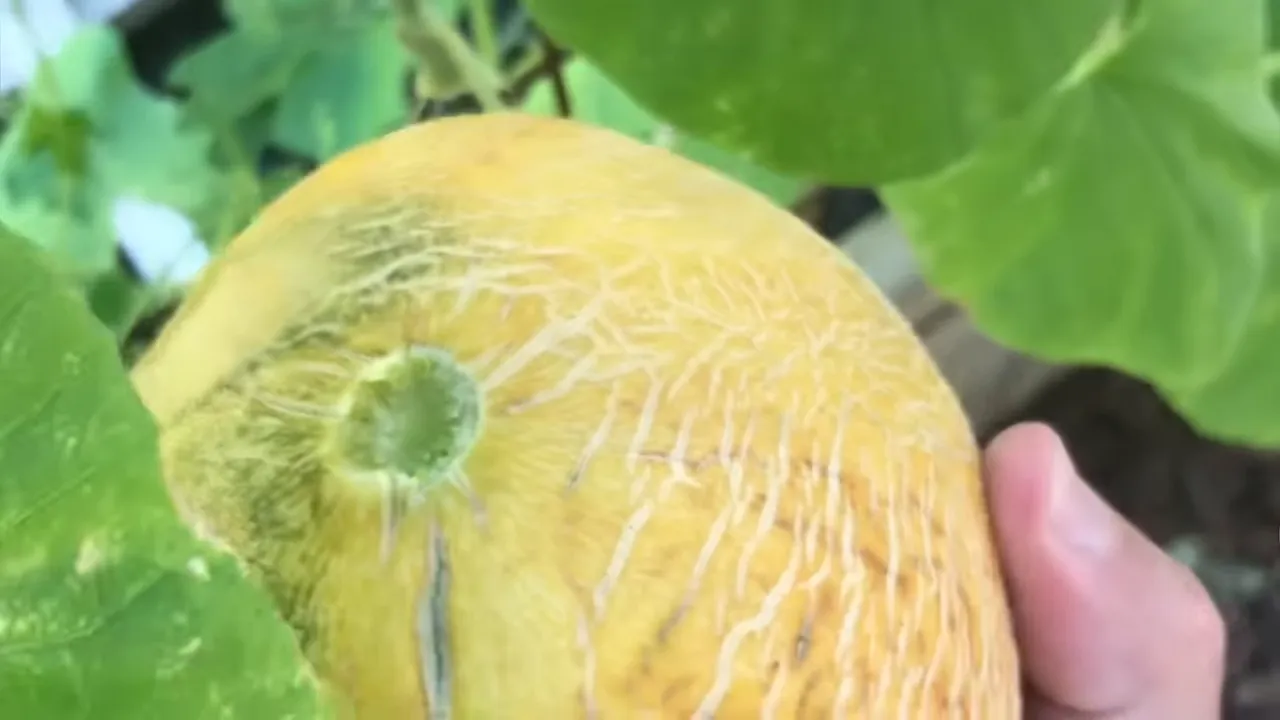
If you have to pull to get the stem to release, the melon probably needs more time. Sometimes one more day makes the difference.
With vertically grown cantaloupe, a fully ripe fruit may slip off on its own. That is a good reason to pay close attention as harvest approaches. You want the melon sweet and ready, but not so far along that it becomes overripe and mushy.
The reward for that patience is exactly why I grow cantaloupe: a vine-ripened melon with wonderful sweetness and just the right texture. Give the plant a strong start, keep it healthy through the season, and let the fruit tell you when it is ready.
For more growing guidance, visit my cantaloupe growing guide.


