Most beans are finished in the low desert by June. Yardlong beans are just getting started.
I planted bush beans, pole beans, and asparagus beans at the same time in the same garden area. The bush and pole beans gave me a quick harvest, but then the heat caught up with them. Their crispy leaves told the story. Meanwhile, the asparagus beans kept climbing, flowering, and giving me something to harvest almost every day.
Also called yardlong beans, Chinese long beans, or noodle beans, these heat-loving vines earn their space in my summer garden. The trick is getting them established at the right time, harvesting at the right stage, and cooking them in a way that brings out their wonderful texture.
What You'll Learn
- Yardlong beans keep producing in summer heat that stops regular green beans.
- Plant in warm soil, with low desert planting dates running from mid-March through July.
- Harvest firm, pencil-thick pods gently, leaving the flowering stems attached for future production.
- Quick, high-heat cooking brings out their nutty flavor while preserving a firm texture.
Table of Contents
- Why Yardlong Beans Keep Producing in the Heat
- What Do Yardlong Beans Taste Like?
- When to Plant Yardlong Beans
- How to Plant Seeds and Transplants
- Give the Vines a Trellis and Keep the Tops Manageable
- How and When to Harvest Yardlong Beans
- Save a Few Pods for Next Season's Seeds
- My Quick Garlic Soy Yardlong Beans
- Grow More of What Likes Your Summer
Why Yardlong Beans Keep Producing in the Heat
Asparagus beans are a different type of bean from regular snap beans. Related to cowpeas and associated with the tropics of Southeast Asia, they are suited to heat and humidity.
Regular snap beans can drop their flowers when temperatures climb above the mid-80s°F. Yardlong beans keep setting pods through hot weather. Their deeper roots and waxy leaf coating help them hold onto moisture and handle conditions that regular green beans struggle with.
Here in the low desert, production often picks up even more when monsoon moisture arrives. That humidity is welcome news for these plants.
If regular green beans have disappointed you once summer settles in, this is a good crop to try instead.
What Do Yardlong Beans Taste Like?
These beans are more than a novelty with extra-long pods. They are good to eat, but don't expect them to taste exactly like a regular green bean.
- Regular green beans: Juicy and snappy when raw.
- Yardlong beans: Denser, a little drier, and slightly nuttier.
I don't love them raw. Cooked is where they really shine.
They hold their texture during quick, high-heat cooking rather than turning soft and mushy. That makes them especially good for stir-fries and sautés. They also take on the flavor of whatever you cook them with, and the pods are so long that a handful can fill a pan.
When to Plant Yardlong Beans
In Arizona's low desert, plant asparagus beans from mid-March through July. But where you land within that window matters.
Aim to get plants established before the most intense heat arrives, or plant when monsoon humidity helps ease the hot, dry conditions. Although established vines handle summer well, getting young plants started during extreme heat and dryness can be difficult.
Wherever you garden, wait until the soil temperature is above 60°F. Seeds planted in cold soil may sit without growing and rot.
My Low Desert Vegetable, Herb & Fruit Planting Guide includes planting dates throughout the year, not just for beans, if you'd like a reference for planning your garden.
How to Plant Seeds and Transplants
Seeds are the most economical way to grow yardlong beans, and they germinate quickly in warm soil.
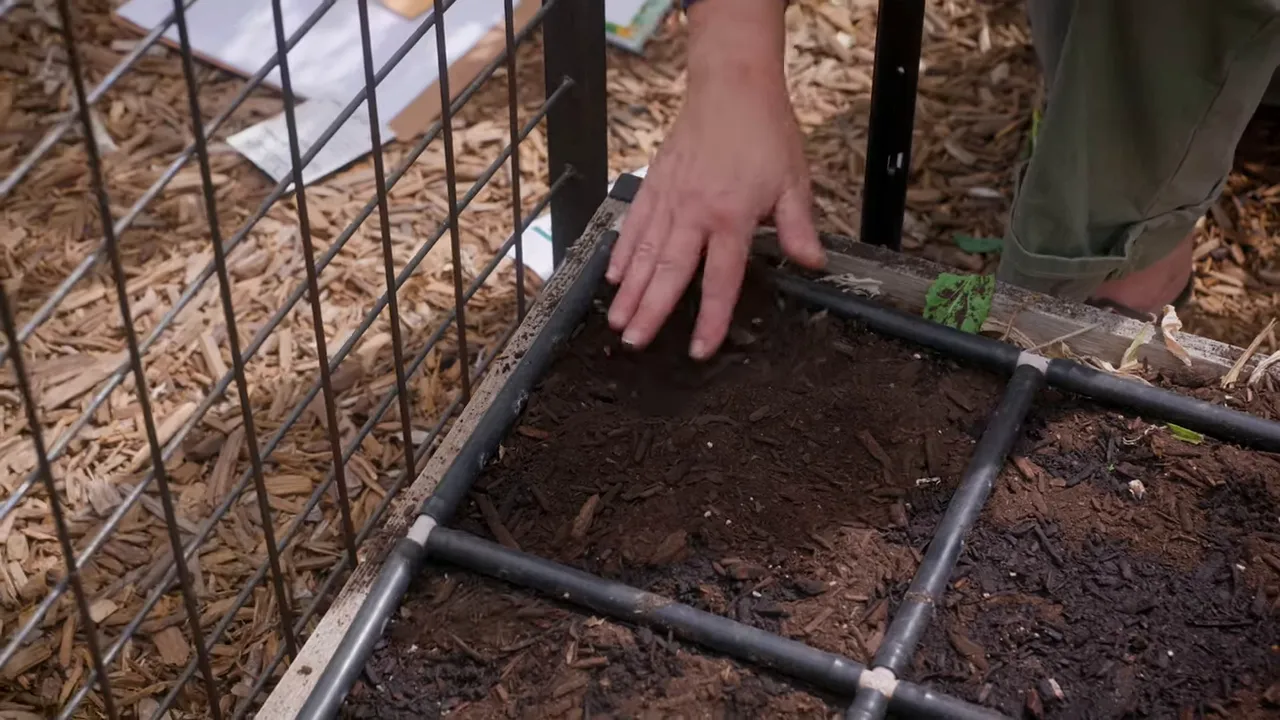
- Planting depth: About 1 inch deep.
- Seed spacing: About 3 inches apart.
- For a pole support: Plant four to six seeds around the base of each pole.
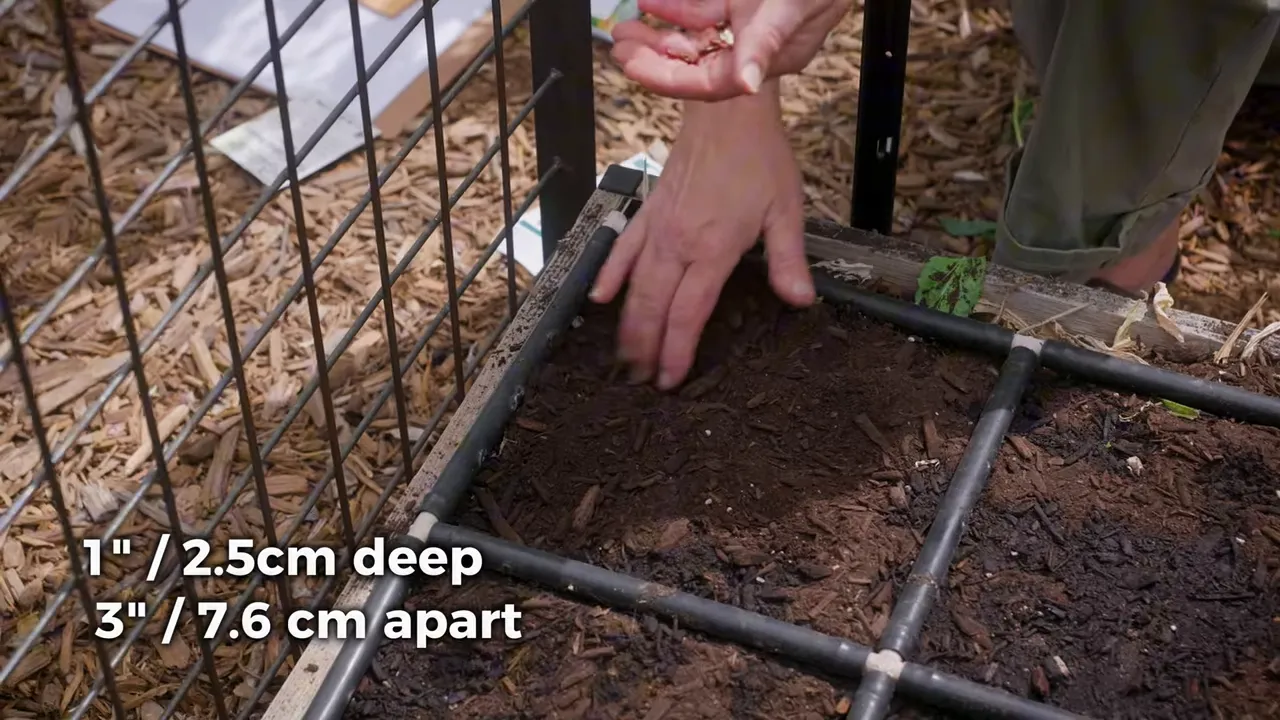
Try a few varieties and see which ones you enjoy. Two I like are Python and Red Noodle.
I've also been pleasantly surprised by how well transplants do. If you're waiting for the soil to warm up or come across healthy starts, don't be afraid to use them once outdoor conditions are suitable. I picked up mine at Arizona Worm Farm.
Protect young seedlings
Roly-polies can be frustrating when bean seedlings seem to disappear overnight. I have used a little iron-phosphate slug and snail bait around my seedlings, but don't assume every slug bait controls roly-polies. Check the product label for the pest, crop, and application directions before using it.
If you're trying to work out whether these are the creatures damaging your plants, the University of California's sowbug and pillbug guide is a useful identification and management reference.
Give the Vines a Trellis and Keep the Tops Manageable
Yardlong beans are climbers, and they'll keep reaching upward as far as you let them. Get creative with supports you already have. I've grown them on ladder mesh, arch trellises, and other upright garden supports.
Once the vines reach the top of the trellis, snip or pinch out the growing tips to keep them within bounds.
This is something I need to do more often myself. Mine have a habit of becoming a tangled mass at the top of the arch. Keeping up with the tips makes the vines much easier to manage than trying to untangle everything later.
As the plants climb, look for blossoms. Those little flowering stems are where the beans will form, and they deserve a little extra care at harvest time.
How and When to Harvest Yardlong Beans
The best harvest cue isn't simply how long a pod has grown. Look for beans that feel firm and are about the thickness of a pencil.
- Too young: The pods can feel limp.
- Ready to pick: The pods are firm and roughly pencil-thick.
- Past their best: The pods begin to feel spongy and become tough and less enjoyable to eat.
Check the plants often. In hot weather, I try to harvest every day so I catch the beans at that good eating stage. You don't need to cook them every day, but picking daily makes a difference.
Leave the flowering stem intact
The same short flowering stem can produce beans repeatedly. When you harvest, gently twist the bean off while leaving that stem attached to the plant.
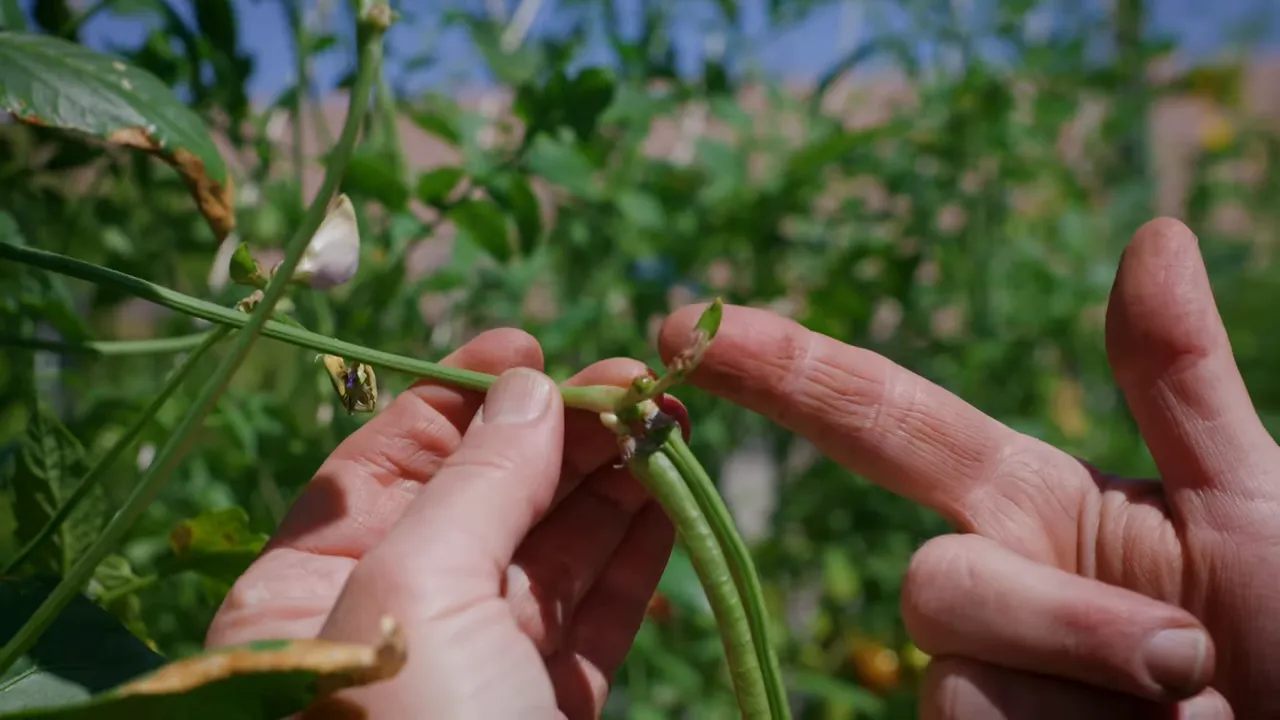
If you snap off the entire stem along with the bean, you lose the future production from that spot. A little care here helps keep the harvest coming.
Store beans until you're ready to cook
Wrap harvested beans in a damp paper towel, place them in an airtight container, and refrigerate them. That gives you a way to hold the harvest until you've gathered enough for a meal or are ready to use it.
Save a Few Pods for Next Season's Seeds
Not every pod needs to be picked for fresh eating. Leave a few on the plant to mature fully and dry on the vine.
Once the pods are dry, open them and collect the dried beans inside. You can save them as seed for next season or cook them as dried beans.
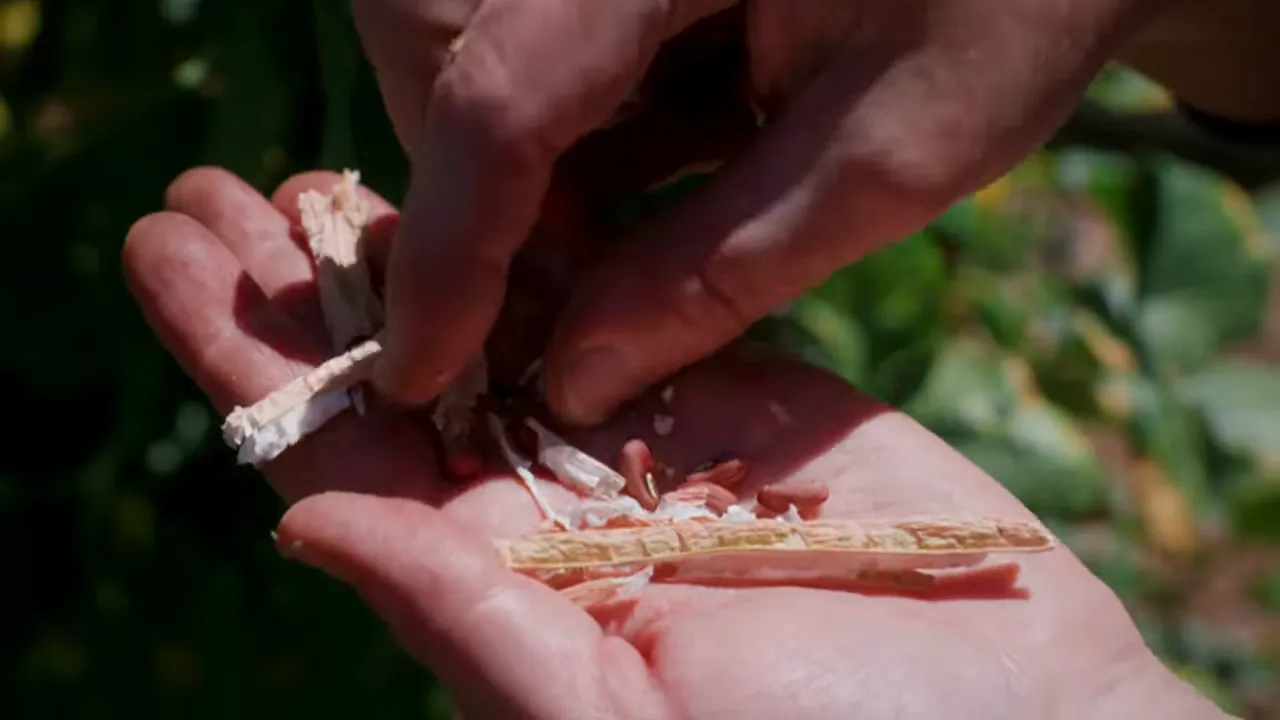
I love getting a fresh harvest now and seeds for another season from the same planting.
My Quick Garlic Soy Yardlong Beans
This is the way I cook yardlong beans all summer. Their dense texture and lower water content make them well suited to a hot pan, and the finished beans stay pleasantly firm.
What you'll need
- Fresh yardlong beans
- A couple of tablespoons of high-smoke-point oil, such as avocado oil
- Garlic and ginger
- A splash of soy sauce
- A small pinch of sugar
- A drizzle of toasted sesame oil
- Toasted sesame seeds
How to cook them
- Prepare the beans. Cut them into pieces about 3 inches long. Make sure they are dry before adding them to hot oil so they don't splatter.
- Heat the pan and oil. Get a couple of tablespoons of avocado oil or another suitable high-smoke-point oil hot, then add the beans.
- Let them blister. Leave the beans undisturbed for about a minute so they develop blistered skin and brown spots before tossing.
- Add the aromatics. Turn the heat down, add the garlic and ginger, and toss briefly until fragrant.
- Season. Add a splash of soy sauce, a small pinch of sugar, and a drizzle of toasted sesame oil. Turn off the heat right after adding the sesame oil so it doesn't burn.
- Finish. Sprinkle toasted sesame seeds over the beans and serve.
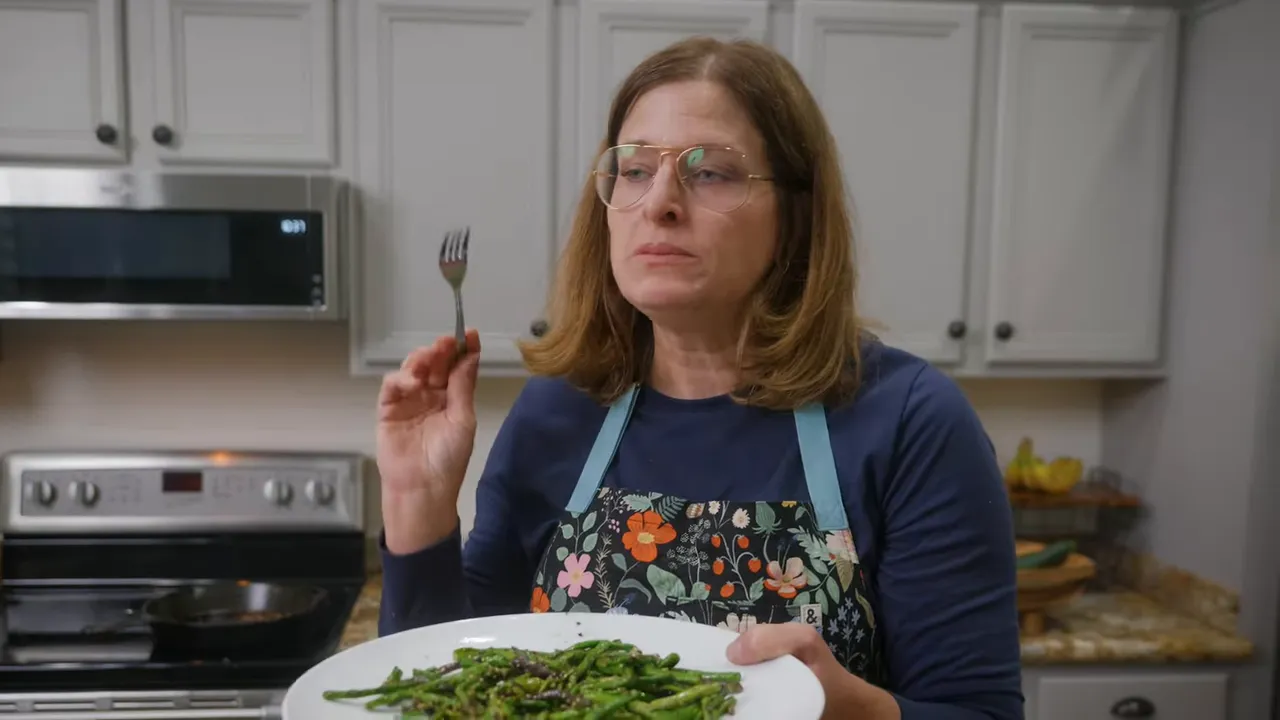
The blistered beans take on all those garlic, ginger, and soy flavors. They're nutty and savory, with a firm texture and a lovely sesame finish. For the full recipe, see my garlic soy Chinese long beans.
Grow More of What Likes Your Summer
Every summer, the desert heat makes it clear which plants belong and which ones are finished for the season. Yardlong beans keep earning their spot because they produce through that heat and turn into something delicious with just a few minutes at the stove.
If green beans keep letting you down in summer, try asparagus beans. Get the timing right, give them something to climb, and keep up with the harvest. Growing more of what actually enjoys your conditions makes summer gardening a lot more rewarding.


