My first raised beds were only 6 inches deep and surrounded by rock. In my hot, dry desert climate, that combination heated up and dried out fast. Growing vegetables was a lot harder than it needed to be.
Over time, I realized the problem wasn't just the heat. It was the setup.
A raised bed in a hot climate needs more than soil and water. The surrounding area, soil depth, nearby roots, soil mix, and watering system all affect how well plants handle high temperatures. These five changes have made the biggest difference in my garden, and they are where I would start when setting up a new bed for extreme heat.
Key Takeaways
- Reduce reflected heat around raised beds with vines, mulch, and afternoon shade.
- Use beds at least 12 inches deep to improve moisture retention and soil temperature stability.
- Check for competing tree roots when a bed dries unusually fast despite watering.
- Combine moisture-retentive soil, even irrigation, cycle-and-soak watering, and mulch to protect soil moisture.
Table of Contents
- 1. Create a Cooler Microclimate Around the Bed
- 2. Use a Deeper Raised Bed
- 3. Keep Competing Tree Roots Out
- 4. Fill the Bed With Soil Built for Hot, Dry Climates
- 5. Water the Whole Bed Evenly, Then Protect the Moisture
- Set the Bed Up for Success From the Start
1. Create a Cooler Microclimate Around the Bed
Finding the perfect location isn't always possible. Sometimes, the goal is to make the spot you have work a little better.
When possible, choose a location with morning sun and afternoon shade. Try to avoid areas that receive intense late-afternoon sun along with reflected heat. But pay attention to the surroundings with any exposure. Block walls and rocks can absorb, reflect, and radiate heat back toward your plants.
The area around the bed matters almost as much as what's inside it.
In my garden, I made two important changes:
- Added vines to the walls. Covering the walls with plants reduces how much heat those surfaces reflect into the garden.
- Replaced the surrounding rock with mulch. Instead of leaving the beds surrounded by heat-holding rock, I changed the ground covering throughout the area.
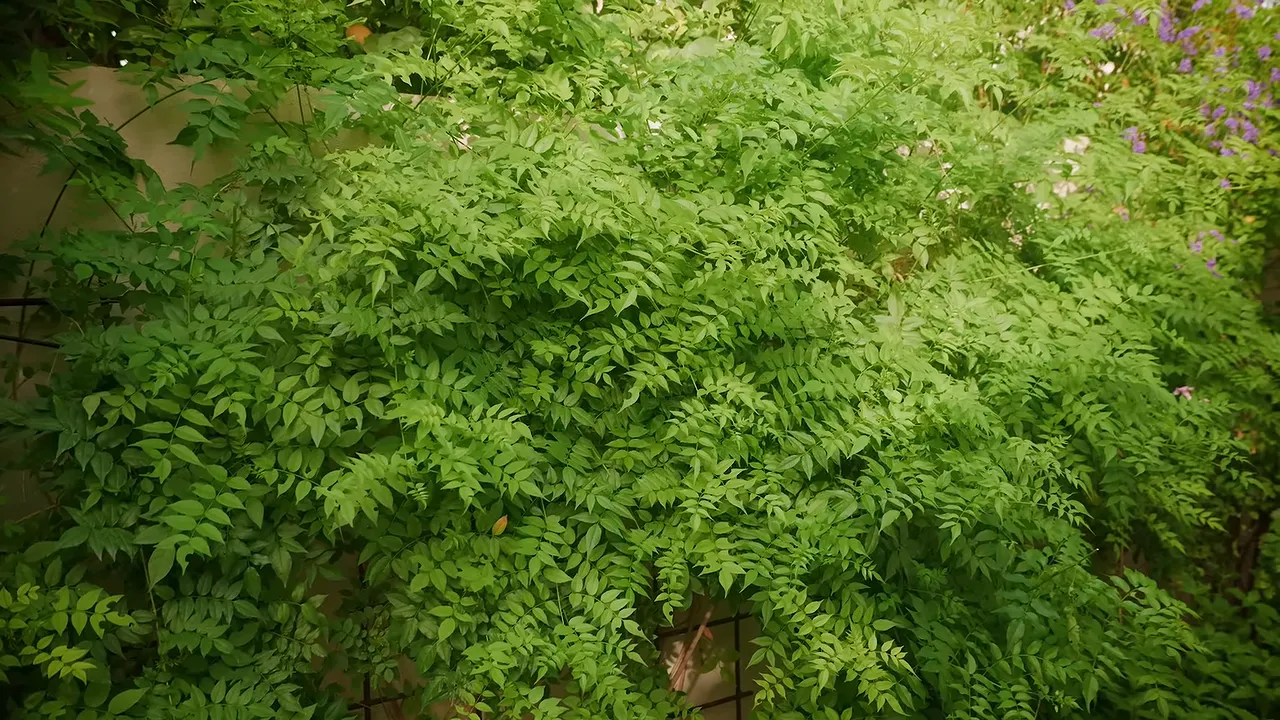
The side-yard bed I'm setting up receives natural afternoon shade, so it doesn't need shade cloth. If your bed gets a lot of afternoon sun, shade cloth can help create a cooler microclimate.
Think beyond the footprint of the raised bed. Reducing reflected heat, changing the surrounding ground cover, and providing afternoon shade all work together to improve the growing space.
2. Use a Deeper Raised Bed
Once you've made the location as comfortable as possible, choose a bed with enough depth to handle hot, dry conditions.
My original 6-inch-deep beds simply didn't hold enough soil for my climate. They warmed up and lost moisture quickly, and plants struggled once temperatures climbed.
I recommend a raised bed at least 12 inches deep. Deeper is even better. The bed I'm setting up is 17 inches deep.
That extra soil volume makes a difference in several ways:
- Moisture lasts longer.
- Roots have more room to grow downward.
- Soil temperatures stay more stable in hot weather.
A deeper bed gives plants a better growing environment and gives you a little more margin for error when the weather gets hot. It's an important improvement over a shallow layer of soil that can heat up and dry out so quickly.
3. Keep Competing Tree Roots Out
If one raised bed dries out unusually fast and plants struggle even when you water, don't assume the problem is only aboveground. Look underneath.
I had another bed in this side yard that performed worse than the beds around it. It dried out quickly, and the plants never seemed to do well despite watering. When it was time to clear it out, I dug down to investigate.
The bed was full of citrus roots. My neighbor's very happy lemon tree had found a convenient place to get a drink and a meal.
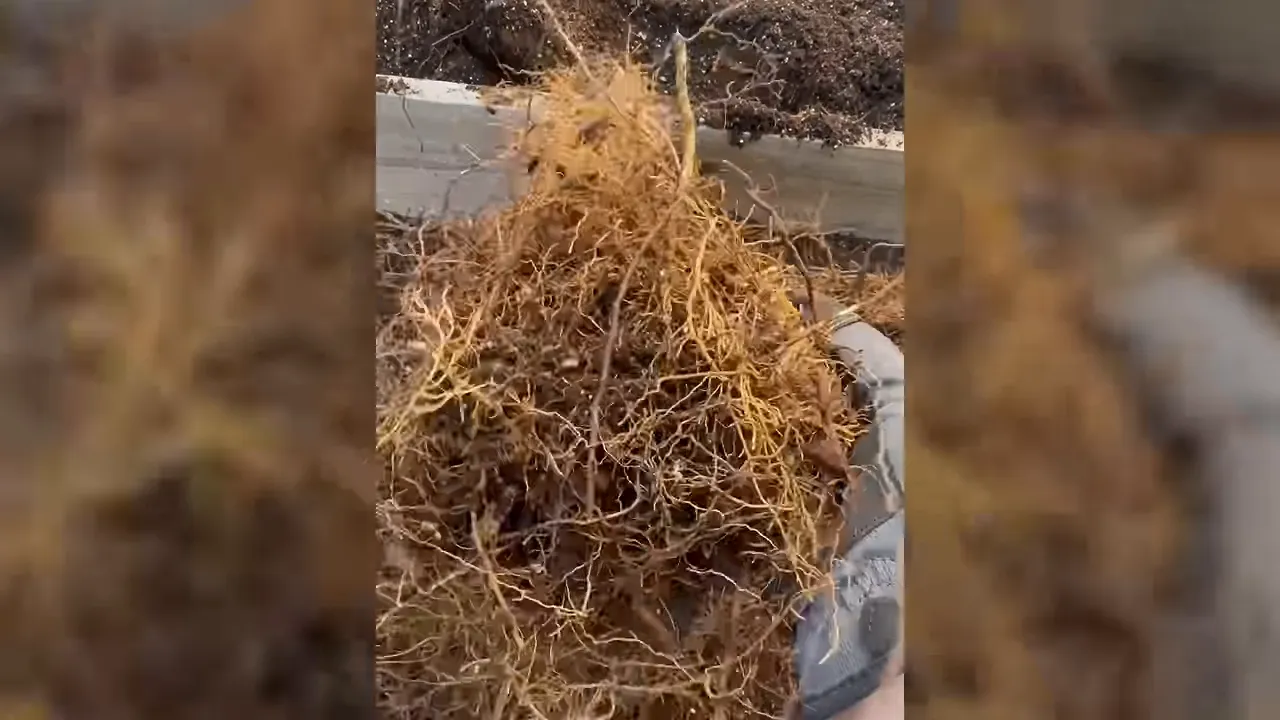
Those feeder roots were taking water and nutrients from the raised bed, leaving less available for the plants I actually wanted to grow there. No wonder they were struggling.
To address the problem, I dug down, removed the feeder roots, and installed an 18-inch root barrier along the entire 30-foot length of this garden area. My hope is that it will help keep roots from nearby trees, and even the vines cooling the walls, out of the beds.
That experience changed how I think about a bed that won't hold moisture. Sometimes the issue isn't how much you're watering. It's what else is using the water.
4. Fill the Bed With Soil Built for Hot, Dry Climates
A deep bed is only helpful if you fill it with soil that supports healthy roots. In a hot, dry climate, raised bed soil needs to hold moisture while still providing drainage, air space, and nutrients.
That's why I use a custom mix rather than filling my beds with native soil or choosing whichever bagged mix costs the least.
There are two extremes to avoid. If the mix drains too quickly, water runs right through it. If it becomes too dense, roots struggle. The goal is moisture retention without sacrificing the air roots need.
The custom raised bed mix I use from Arizona Worm Farm includes:
- Compost
- Worm castings
- Coco coir
- Perlite
Together, these ingredients provide a balance of nutrients, moisture retention, drainage, and air space.
I also fill the bed all the way up to take advantage of the available growing depth. Choosing a deeper bed and then leaving much of it unfilled misses the benefit of that extra soil volume.
Healthy, microbially active soil supports stronger plants and helps hold water. Both matter even more when you're gardening through desert heat.
5. Water the Whole Bed Evenly, Then Protect the Moisture
With the bed in place and filled with the right soil, the last step is getting water throughout the growing area and helping it stay there.
Use a Watering System That Doesn't Leave Dry Pockets
I watered my first raised beds by hand. That worked for a while, but keeping the entire bed evenly hydrated was difficult.
Later, I added a drip line. It was an improvement, but my setup still left dry pockets. Those dry areas made a surprising amount of the bed difficult to use.
Eventually, I switched to watering grids, and they made a huge difference. A grid distributes water across the bed rather than leaving roots to grow only where water happens to reach.
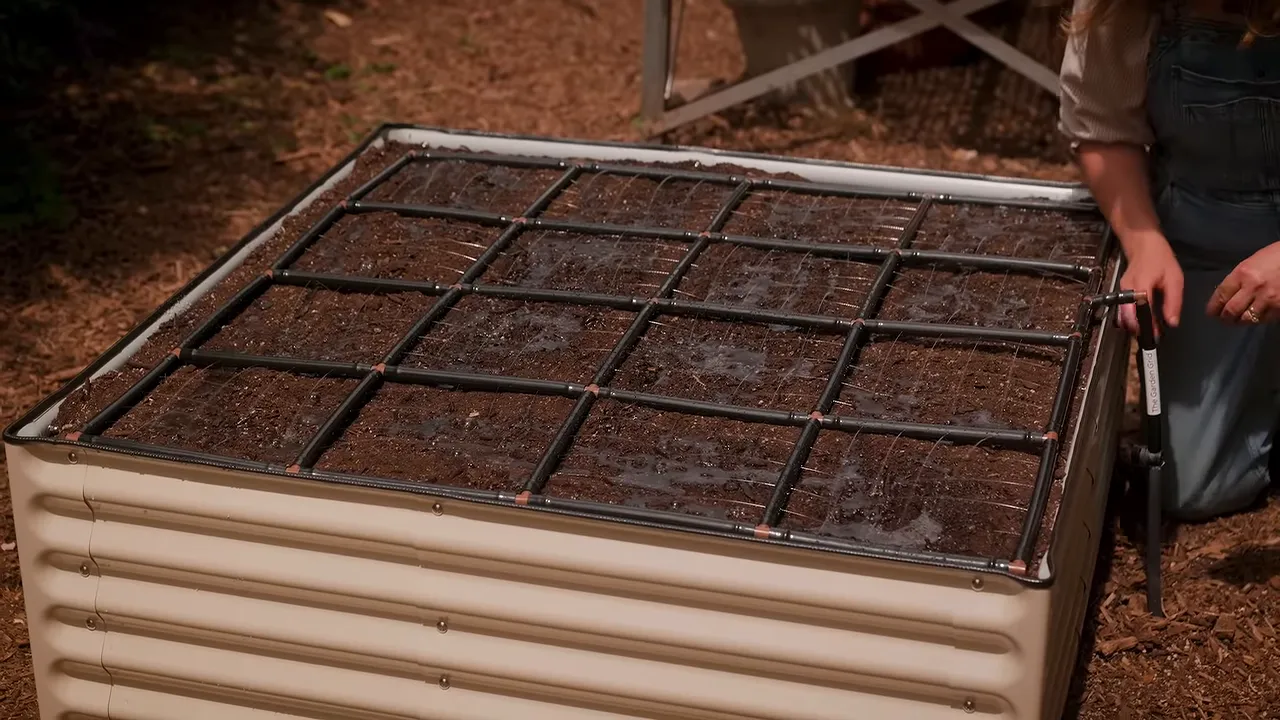
Even watering makes the whole bed usable. In a hot climate, that means fewer dry pockets and less stress on plants growing between watered areas.
Use Cycle-and-Soak Watering
Water comes out of my grids quickly, so I use a cycle-and-soak method. Instead of applying the entire watering time at once, I divide it into shorter runs with a pause between them.
For example, when I want a total of 12 minutes of watering, I use this sequence:
- Run the grid for 4 minutes.
- Let the water soak into the soil for 30 minutes.
- Run it for another 4 minutes.
- Wait another 30 minutes.
- Run it for the final 4 minutes.
That adds up to 12 minutes of actual watering, with time for the soil to absorb water between cycles instead of having it rush through all at once. This is an example of how I divide a watering run, not a fixed watering requirement for every raised bed. The EPA's WaterSense watering tips provide additional guidance on using irrigation water efficiently.
A newly filled bed also needs a very thorough soaking before planting. This helps settle the soil and eliminate dry pockets from the start.
Finish With a Thick Layer of Mulch
Once the bed is well watered, mulch, mulch, mulch.
Bare soil dries out fast, especially in summer. A thick layer of mulch helps keep the soil cooler and slows evaporation, protecting the moisture you've just worked to distribute evenly.
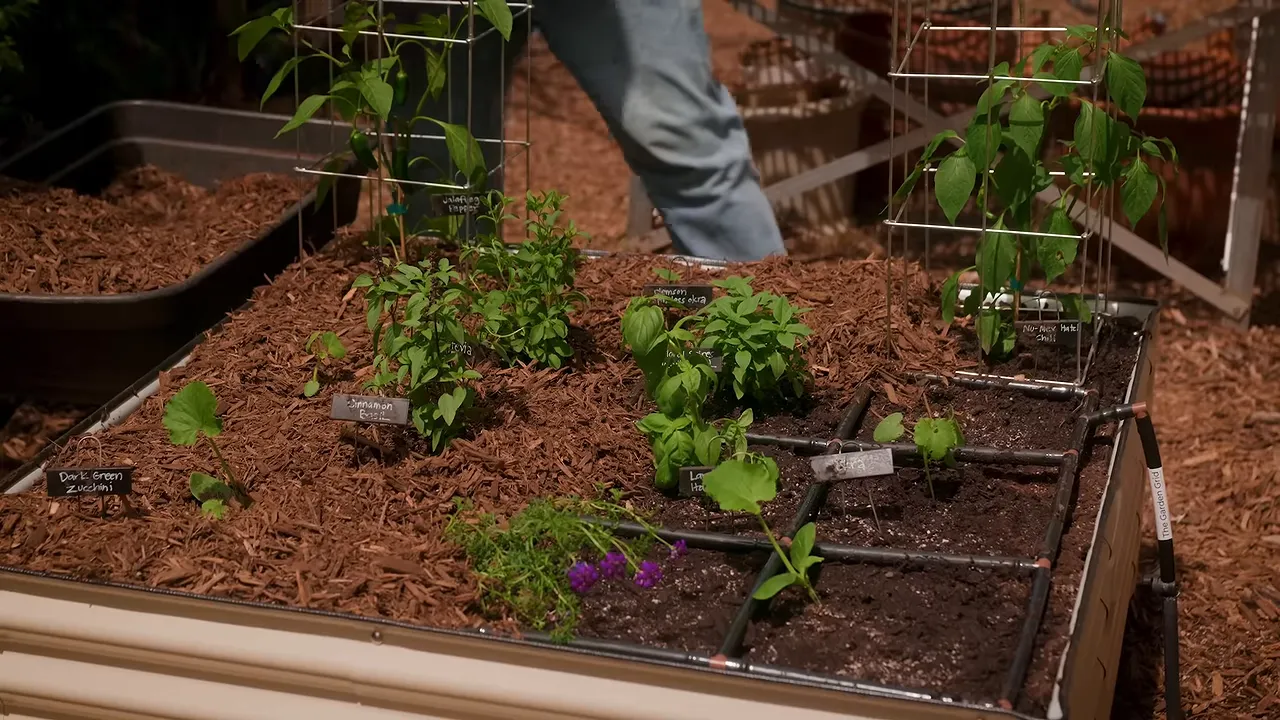
Mulch around the bed improves the surrounding microclimate. Mulch on the soil surface helps protect moisture inside the bed. Both have a role in a hot-climate garden.
The goal isn't simply to water more. It's to water better and protect that moisture once it's there.
Set the Bed Up for Success From the Start
My first raised beds taught me what not to do. As I've improved the microclimate, increased soil depth, addressed competing roots, used a better soil mix, and combined even watering with mulch, my garden has become much easier to manage in the heat.
Plants are less stressed, I've had fewer pest and disease problems, and the plants grow and produce better.
You can't change a hot, dry climate, but you can change the conditions around your plants. A thoughtfully set-up raised bed gives them a much better place to grow.


